- Cognitive Behavioral Therapy
- Solution-Focused Therapy
- Homework and practical steps
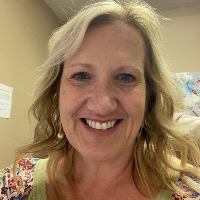
About Marsha
Nan began her career in a clinic setting and provided therapeutic services within the local school system. About five years ago she moved into independent practice and now focuses on one-on-one counseling. Her academic background includes a BA and a Master of Arts in Education from Western Kentucky University.
In sessions she often uses Cognitive Behavioral Therapy to help people notice thoughts and behaviors that keep problems going. She also draws on Solution-Focused Therapy to set small, practical goals and look for what already works. These approaches are applied to issues such as codependency, commitment concerns, separation or divorce, and feelings of emptiness.
Marsha addresses life transitions, isolation or loneliness, and seasonally influenced mood changes like SAD. She also works with social anxiety, family problems, anger, and women’s issues. Guilt and shame are included among the concerns she helps people talk through.
Sessions are conversational and goal-oriented with clear steps between meetings. The emphasis is on practical tools people can use between sessions, and on testing small changes that may reduce symptoms and improve day-to-day functioning.
Areas of expertise
Primary focus
Also works with
Additional focus areas
Therapeutic approaches
Experience
9+ years
Credentials
Kentucky
Languages
English
How her approaches translate to online work
Marsha commonly uses Cognitive Behavioral Therapy and Solution-Focused Therapy, and both adapt well to online conversation. CBT involves identifying unhelpful thoughts and testing new behaviors, which can be practiced between sessions. Solution-Focused Therapy narrows attention to small, achievable steps and strengths people already have, which can be reviewed in short online check-ins.Choosing the right approach is a collaborative process. She will work with the client to decide which methods fit their goals, needs, and preferences. Expect the therapist to suggest practical exercises and then check progress together in subsequent sessions.
The original biography does not specify which session formats are offered online, so confirm current options before booking. Online work can make it easier to fit sessions into a busy week, support shorter check-ins when needed, and avoid travel time. It can also allow sessions that focus on skill practice, homework review, and step-by-step problem solving without changing the way the therapies are applied.
Frequently asked questions
What kinds of concerns does she help with?
She works with stress, anxiety, depression, relationship concerns, parenting strain, grief, self-esteem, intimacy issues, and related problems such as codependency, divorce, and guilt and shame.
How does she approach guilt or shame in sessions?
She typically uses Cognitive Behavioral Therapy to look at thoughts and behaviors and Solution-Focused Therapy to set small practical goals. Sessions often include brief homework to try between meetings.
What is her clinical background and experience?
She has nine years of experience, began in a clinic setting and worked with clients in the school system before moving into independent practice about five years ago.
What credential does she hold and where is she based?
She is a Kentucky LPCC (Licensed Professional Clinical Counselor) and practices in Kentucky.
Does she work in other languages or accept international clients?
Sessions are offered in English and she does not accept international clients at this time.
What session formats are available?
The original biography does not list specific session formats; please confirm current session options before booking.
How does cost and billing work?
Cost varies with location and sessions use a subscription that can be canceled at any time.
How do I begin working with her?
Select the See online therapy options button, complete a short matching questionnaire, and schedule a first session.
Before you get in touch
The therapists listed here offer talking therapy online. A profile shows how someone describes their work; it cannot tell you how therapy will go, and nobody can promise that guilt or shame will ease by a certain time.
If you are thinking about harming yourself, or you feel unsafe, please contact a crisis line now. The numbers are at the foot of this page.