- Guilt and shame issues
- Addiction recovery
- Trauma-focused work
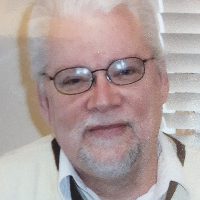
About Mark
Mark draws on straightforward, practical methods in sessions. He uses Client-Centered approaches to listen and reflect what matters to the person. He also applies Cognitive Behavioral Therapy to spot unhelpful thoughts and test new ways of thinking and acting.
For people wrestling with addiction and co-occurring issues, Mark blends trauma-focused ideas with techniques from Dialectical Behavior Therapy and Solution-Focused Therapy. That mix supports work on coping skills, emotion regulation, and clear problem-solving steps. He also helps people facing end-of-life concerns and hospice-related grief.
In a typical session he talks through current problems, looks at recent patterns, and suggests concrete skills to try between meetings. He pays attention to relationship and intimacy-related issues, career stress, and challenges around control, anger, or social anxiety.
Mark’s work aims to clarify practical next steps rather than promise specific outcomes. People who want to begin are invited to use the site process to match and schedule an initial session. The first meeting usually focuses on priorities and what to try first.
Areas of expertise
Also works with
Additional focus areas
Therapeutic approaches
Experience
45+ years
Credentials
Michigan
Languages
English
How therapeutic approaches are used in online sessions
Client-Centered Therapy focuses on listening and reflecting what the person says. In online sessions this means the therapist checks understanding, asks clarifying questions, and responds to what matters most to the client. It helps when someone needs a calm space to name what they feel and decide where to begin.Cognitive Behavioral Therapy (CBT) looks at thoughts, behaviors, and feelings and offers practical experiments to change them. Online CBT sessions often include identifying unhelpful thinking patterns, setting small behavioral goals, and reviewing progress between meetings. This approach is commonly used for anxiety, panic, and depression concerns.
Finding the right approach is part of the work. The therapist will discuss goals and preferences and then recommend methods that fit the person’s situation. That collaboration can mean combining elements from different approaches as needs change.
The biography does not list specific online formats, so confirm current session options before booking. Online work can make it easier to fit sessions into everyday life, reduce travel time, allow shorter check-ins when needed, and let people use video or phone options depending on bandwidth and convenience. Licensed professionals help clients choose how to arrange sessions so therapy fits practical routines rather than the other way around.
Frequently asked questions
What kinds of concerns does he help with?
He works with stress, anxiety, addictions, trauma and abuse, grief, depression, and related issues such as guilt and shame.
How would he approach feelings of guilt or shame?
He uses client-centered listening alongside cognitive behavioral techniques to identify harsh self-judgments and test more balanced ways of thinking.
What experience does he bring to this work?
He has 45 years of experience in mental health and substance abuse treatment and long experience supporting people through grief and addiction recovery.
What credential and location are listed?
Mark is an LPC in Michigan and practices as a Licensed Professional Counselor in that state.
Can I work with him if I live outside the United States?
Sessions are offered in English and he accepts international clients.
Which session formats are offered?
The original biography does not list specific session formats; please confirm current session options before booking.
How are fees handled?
Cost varies with location and sessions use a subscription that can be canceled at any time.
What do I do to get started?
Select the See online therapy options button, complete the short matching questionnaire, and schedule a first session.
Before you get in touch
The therapists listed here offer talking therapy online. A profile shows how someone describes their work; it cannot tell you how therapy will go, and nobody can promise that guilt or shame will ease by a certain time.
If you are thinking about harming yourself, or you feel unsafe, please contact a crisis line now. The numbers are at the foot of this page.