- Client-Centered Therapy
- Cognitive Behavioral Therapy
- Mindfulness practice
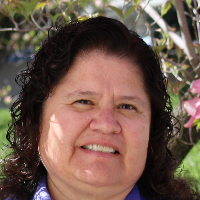
About Marion
She began her career after a major life change, moving from an automotive mechanic to counseling in her early 40s. That background shapes how she talks with people - plain language, a bit of humor, and practical skills. Marion identifies as Native American and brings attention to cultural context and spiritual perspectives when relevant.
Her sessions are client-centered and draw from several approaches. She offers concrete skills and practices, usually introducing two new coping skills each week for clients to try between meetings. She describes therapy as a collaborative effort that asks for steady practice rather than quick fixes.
Marion has experience supporting people affected by domestic violence and working with women in recovery from substance use, which informed her understanding of trauma and survival. She also lists work with relationship strain, parenting concerns, control issues, and forgiveness.
She uses a blend of methods, including cognitive behavioral tools, mindfulness, dialectical behavior strategies, EMDR, and motivational interviewing elements. The focus is on practical steps people can use in daily life to manage anxiety, shame, guilt, and stress.
To begin, readers should follow the site's steps for matching and scheduling so they can see which options fit their needs.
Areas of expertise
Also works with
Additional focus areas
Therapeutic approaches
Experience
3+ years
Credentials
Washington
Languages
English
How Marion integrates approaches in online sessions
Marion often draws on Cognitive Behavioral Therapy, which looks at how thoughts, feelings, and actions connect and teaches practical techniques to change unhelpful patterns. CBT can help with anxiety, depression, guilt, and managing stress.She also uses Mindfulness Therapy to build present-moment awareness and reduce reactivity. Mindfulness practices aim to help people notice hard emotions without getting overwhelmed, which can be useful for shame and trauma responses.
Finding the right approach is collaborative. Marion works with each person to see which methods fit their goals and comfort level, and she adjusts what she offers as the work progresses. She typically introduces a small number of concrete skills to practice between sessions and checks in on how those strategies are working.
Session formats are not specified in the biography, so confirm current options before booking. Online work can make it easier to fit regular meetings into a busy life, reduce travel time, and allow shorter check-ins when needed. Discuss format preferences during the matching and scheduling steps so practical arrangements match daily routines and needs.
Frequently asked questions
What kinds of issues does she address?
She works with stress, anxiety, addictions, depression, bipolar disorder, trauma and abuse, relationship and intimacy concerns, grief, parenting stress, and guilt and shame among other areas.
How would she approach feelings of shame or guilt?
She uses a client-centered style and practical skills from CBT, DBT, and mindfulness to help people name and manage those feelings and practice new ways of responding.
What experience does she have?
She has 3 years of clinical experience and has worked with people affected by domestic violence and with women in substance use recovery, which shaped her trauma-informed perspective.
What are her credentials and where is she based?
She is a Licensed Mental Health Counselor (LMHC) with a Washington state credential and practices from Washington.
Does she offer sessions in other languages?
Sessions are offered in English.
Can people outside the US work with her?
She does not accept international clients at this time.
How are sessions scheduled and what do they cost?
Cost varies by location and sessions use a subscription that can be canceled at any time; exact pricing is provided during the booking process.
How do I get started with her?
Choose the See online therapy options button, complete the short matching questionnaire, and schedule a first session through the site.
Before you get in touch
The therapists listed here offer talking therapy online. A profile shows how someone describes their work; it cannot tell you how therapy will go, and nobody can promise that guilt or shame will ease by a certain time.
If you are thinking about harming yourself, or you feel unsafe, please contact a crisis line now. The numbers are at the foot of this page.