- ACT techniques
- CBT strategies
- Attachment work
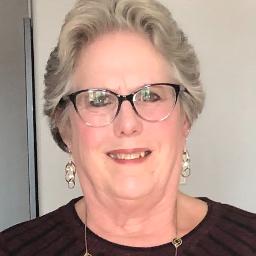
About Marilyn
Marilyn focuses on practical, talk-based work. She listens to what feels most urgent, then helps people name the patterns that keep them stuck. Sessions often include strategies from cognitive behavioral work and skills drawn from dialectical approaches to manage strong emotions.
She pays close attention to attachment and relationship themes. That can look like examining how past losses shape current trust, or helping someone find steadier ways to ask for support. These conversations include concrete steps for communication and boundary-setting.
Marilyn also uses ideas from Acceptance and Commitment Therapy to help people clarify values and take small behavioral steps toward them. For someone dealing with chronic illness, caregiver stress, or aging concerns, she blends practical coping techniques with attention to meaning and priorities.
Her long experience means she has worked with many different problems across the adult lifespan. She encourages direct, clear conversation about feelings like guilt and shame, and she helps people try new behaviors, notice what changes, and adjust their plans as needed.
Areas of expertise
Also works with
Additional focus areas
Therapeutic approaches
Experience
40+ years
Credentials
Illinois
Languages
English
How her approaches translate to online work
Acceptance and Commitment Therapy (ACT) helps people notice difficult thoughts and feelings without getting driven by them, then choose small actions that align with what matters. It can be useful for anxiety, depression, and ongoing life challenges. Cognitive Behavioral Therapy (CBT) focuses on changing unhelpful thinking and behavior patterns through clear exercises and practice between sessions. It often helps with anxiety, mood problems, and recurring worries. Attachment-Based ideas guide conversations about how early relationship patterns affect current trust and closeness, and they can shape concrete steps to improve communication and boundaries.Finding the right mix of these approaches is part of the work. Marilyn will collaborate with each person to match methods to their goals, symptoms, and personal preferences. That means checking in about what helps, adjusting techniques, and trying different ways of working when needed.
The therapist's biography does not list specific session formats, so confirm current online options before booking. Online sessions can make it easier to fit therapy into a busy life, allow shorter check-ins when needed, and remove travel time so more people can keep regular appointments. Licensed professionals often use these benefits to help clients practice new skills in day-to-day situations and to maintain continuity of care across locations.
Frequently asked questions
What kinds of problems does she address?
She works with depression, anxiety, grief, stress, addictions, relationship and family concerns, and aging and caregiver stress among other adult issues.
How would she approach feelings of guilt or shame?
She uses talk-based methods to name those feelings, link them to behavior patterns, and try practical steps to respond differently over time.
What is her clinical background?
She is an LCSW with 40 years of clinical experience providing psychotherapy in Illinois.
Where is she based and licensed?
She practices in Illinois and holds an Illinois LCSW credential.
Can I work with her if I live outside the United States?
She accepts international clients; sessions are conducted in English.
What session formats does she offer?
The original biography does not list specific session formats; confirm current session options before scheduling.
How much do sessions cost?
Costs vary with location; sessions use a subscription that can be canceled at any time.
How do I begin working with her?
Select the See online therapy options button, complete a short matching questionnaire, and schedule your first session.
Before you get in touch
The therapists listed here offer talking therapy online. A profile shows how someone describes their work; it cannot tell you how therapy will go, and nobody can promise that guilt or shame will ease by a certain time.
If you are thinking about harming yourself, or you feel unsafe, please contact a crisis line now. The numbers are at the foot of this page.