- CBT techniques
- DBT skills
- Client-centered care
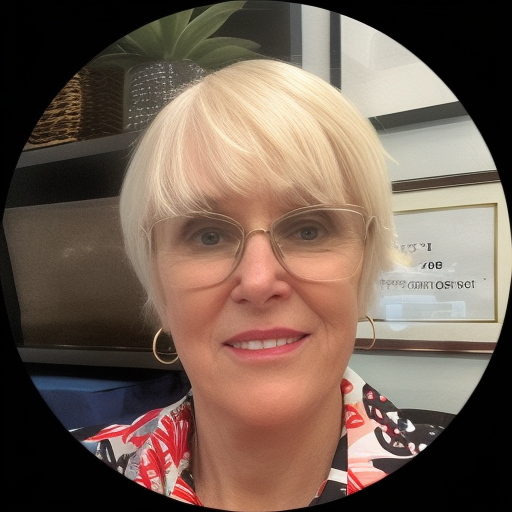
About Marian
Her sessions focus on what people are struggling with right now. She listens for the patterns that keep clients stuck and helps identify small, practical steps to change them. Conversations often include ways to manage panic, reduce harmful coping, and rebuild confidence after loss or difficult relationships.
Marian uses Client-Centered Therapy to follow the client’s lead and to understand their perspective. She draws on Cognitive Behavioral Therapy (CBT) to spot and shift thinking patterns that worsen anxiety and depression. Dialectical Behavior Therapy (DBT) skills are introduced when people need tools for managing strong emotions and distress.
She pays attention to how guilt and shame affect choices and relationships, and works to separate those feelings from current behavior. Sessions can include skill-building for communication and problem solving, and practical strategies for parenting stress or caregiver fatigue.
People who contact Marian complete a short questionnaire and schedule a first session to begin. She offers work with international clients in English and frames therapy as collaborative problem solving rather than fixed prescriptions.
Areas of expertise
Primary focus
Also works with
Additional focus areas
Therapeutic approaches
Experience
20+ years
Credentials
Massachusetts
Languages
English
How Marian blends therapeutic methods online
Client-Centered Therapy focuses on listening and reflecting the client’s experience. It helps people feel understood and clarifies what matters most to them. Cognitive Behavioral Therapy, or CBT, looks at the connection between thoughts, feelings, and behaviors and offers concrete techniques to reduce anxiety, panic, and depressive patterns.Dialectical Behavior Therapy, or DBT, provides practical skills for tolerating distress, regulating intense emotions, and improving interpersonal effectiveness. These skills can be useful when guilt, shame, or strong reactions make daily life harder.
Finding the right approach is part of the work. Marian collaborates with each person to decide which methods fit their goals, preferences, and the problems they bring. That choice can shift as therapy continues and new needs appear.
Confirm the available session formats before booking because the biography does not list specific delivery methods. Online therapy can make it easier to fit sessions into a busy week, reduce travel time, and offer shorter check-ins when needed. It can also allow people to use video or audio options depending on bandwidth and comfort. Licensed professionals can adapt these approaches to work over distance while focusing on practical skills and problem solving.
Frequently asked questions
What concerns does she address related to guilt or shame?
She lists guilt and shame among the issues she addresses alongside anxiety, depression, trauma, and relationship or parenting stress.
How would she approach feelings of shame from childhood?
Her work uses Client-Centered Therapy to understand personal meaning and CBT to identify thinking patterns that keep shame alive.
What is her clinical experience?
She has 20 years of clinical practice as an MA, LMHC in Massachusetts working with anxiety, addictions, trauma, and related concerns.
Where is she licensed and what are her credentials?
She holds an MA and is a Licensed Mental Health Counselor (LMHC) practicing in Massachusetts.
Does she work in languages other than English?
Sessions are offered in English and she also accepts international clients.
Which session formats does she provide?
Please confirm current session options before booking since the original biography does not list specific session formats.
How are fees handled?
Costs vary with location and sessions use a subscription model that can be canceled at any time.
What are the steps to begin working with her?
Use the See online therapy options button, complete a short matching questionnaire, and schedule a first session.
Before you get in touch
The therapists listed here offer talking therapy online. A profile shows how someone describes their work; it cannot tell you how therapy will go, and nobody can promise that guilt or shame will ease by a certain time.
If you are thinking about harming yourself, or you feel unsafe, please contact a crisis line now. The numbers are at the foot of this page.