- Addictions support
- Trauma and abuse
- Guilt and shame
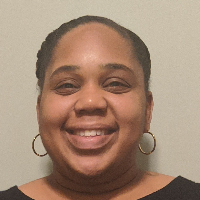
About Mari
Mari focuses on practical steps people can use right away. She listens without judging and helps people identify choices they still have. Sessions include developing coping skills, exploring feelings linked to past events, and finding healthier ways to manage urges and strong emotions.
Her background includes work with drug and alcohol addiction and people who have survived sexual assault and abuse. She also supports those managing panic attacks, mood disorders, post-traumatic stress, and overlapping health concerns such as co-morbidity. Mari includes attention to women's issues and LGBT concerns when they are part of a person's story.
Therapeutic work often combines Motivational Interviewing, Cognitive Behavioral Therapy (CBT), and Solution-Focused Therapy. That mix is used to set short-term goals, test what helps, and build new habits. She draws on Dialectical Behavior Therapy (DBT) skills when emotion regulation or distress tolerance is needed.
Mari aims to help people reconnect with a sense of agency and to develop reliable coping tools. She invites straightforward conversation about values, choices, and realistic next steps. To begin, people follow the site's matching and scheduling process to set a first session.
Areas of expertise
Also works with
Additional focus areas
Therapeutic approaches
Experience
5+ years
Credentials
Tennessee
Languages
English
How Mari adapts therapy approaches for remote work
Mari integrates Cognitive Behavioral Therapy and Motivational Interviewing into her remote work. CBT looks at the link between thoughts, feelings, and behaviors and uses exercises to change unhelpful patterns. It can help with anxiety, panic attacks, low mood, and managing cravings. Motivational Interviewing focuses on a person's own reasons for change and helps build motivation for recovery from addiction or for behavior changes.Finding the right approach is part of the process. She will work collaboratively to choose methods based on a client's goals, current challenges, and personal preferences. That might mean trying brief solution-focused steps first, then adding skills from DBT or CBT as needed.
The biography does not list specific online formats, so please confirm the available session types before booking. Online work can make it easier to fit sessions into a busy week, shorten check-ins when needed, and allow less time spent traveling. Licensed professionals can use these methods remotely to focus on practice of skills, behavioral experiments, and stepwise plans that fit into everyday life.
Frequently asked questions
What kinds of concerns does she work with?
She works with stress, anxiety, addictions, trauma and abuse, grief, depression, relationship and parenting concerns, anger, self-esteem issues, and guilt and shame.
How would she describe her therapeutic style?
She uses a nonjudgmental, respectful approach that focuses on choice and practical coping skills. Sessions emphasize clearer choices and short-term goals.
How much clinical experience does she have?
She has five years of counseling experience working with people affected by addiction, unresolved trauma, and grief and loss.
What credentials and location are listed?
She is an LPC - Licensed Professional Counselor, credentialed in Tennessee, and practices in Tennessee.
Does she work in other languages or with international clients?
Sessions are offered in English. International clients are not currently accepted.
Which session formats are used?
The original biography does not specify session formats; please confirm current session options before booking.
How are fees and billing handled?
Cost varies with location and sessions use a subscription that can be canceled at any time.
What are the steps to begin working with her?
Use the See online therapy options button, complete a short matching questionnaire, and schedule a first session.
Before you get in touch
The therapists listed here offer talking therapy online. A profile shows how someone describes their work; it cannot tell you how therapy will go, and nobody can promise that guilt or shame will ease by a certain time.
If you are thinking about harming yourself, or you feel unsafe, please contact a crisis line now. The numbers are at the foot of this page.