- Guilt and shame
- CBT methods
- Solution focused work
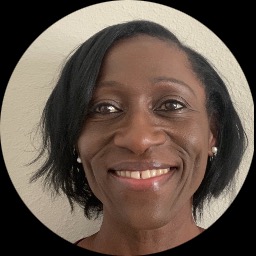
About Marcia
Her background includes years as a trauma nurse and other nursing roles. That clinical experience shaped how she listens and responds to practical problems. Sessions tend to be conversational and direct, aimed at what is getting in the way now and what can be changed going forward.
Marcia uses Client-Centered Therapy to follow the client's lead and understand their priorities. She draws on Cognitive Behavioral Therapy to identify unhelpful thinking patterns and try small experiments that shift behavior. Solution-Focused techniques are used to set short-term goals and notice what helps immediately.
In a typical meeting she will ask about what brought someone in and what they hope to change. She then works with each person to set achievable next steps and to check progress over time. The emphasis is on clear, practical strategies alongside respectful listening.
People who reach out for help with guilt or shame can expect straightforward conversation about those feelings. Marcia offers a clinical background in nursing alongside counseling skills to address emotional and practical parts of stressful situations.
Areas of expertise
Primary focus
Additional focus areas
Therapeutic approaches
Experience
9+ years
Credentials
Florida
Languages
English
How her approaches translate to online work
Client-Centered Therapy focuses on listening carefully to what matters to the person and following their priorities. Online sessions let the therapist respond to those priorities in the moment and shape the conversation around current concerns.Cognitive Behavioral Therapy (CBT) looks at how thoughts, feelings, and actions connect. In remote sessions the therapist can guide practical exercises and homework to test different ways of thinking and behaving between meetings.
Solution-Focused Therapy concentrates on short-term goals and clear next steps. It can help people notice small changes quickly and build on those gains over subsequent sessions.
Finding the right mix of approaches is part of the work together. The therapist will talk with the client about their needs, goals, and preferences and decide collaboratively which methods to try first and how to adjust them over time.
The practical benefit of remote sessions is fitting therapy into everyday life. Confirm the specific session formats before booking, as the biography does not list formats. Remote appointments can make it easier to schedule a shorter check-in, avoid travel time, or choose meetings that suit work and caregiving routines.
Frequently asked questions
What kinds of problems does she address?
She helps people with stress, anxiety, relationship concerns, low self-esteem, depression, and coping with life changes, plus related issues such as caregiving stress and chronic illness.
How would she approach feelings of guilt or shame?
She uses conversational, practical work that looks at thoughts and behaviors and sets small steps to change how those feelings affect daily life.
How much experience does she have?
She has nine years of professional work experience, including prior years as a trauma nurse and other nursing roles.
What are her credentials and location?
She is an LMHC licensed in Florida and practices from that state.
Which languages are supported in sessions?
Sessions are offered in English.
Can international clients work with her?
International clients are not currently accepted.
What formats are used for sessions?
Please confirm current session options before booking, as the biography does not list specific formats.
How are sessions paid for and how do I get started?
Sessions use a subscription that can be canceled at any time and costs vary by location. To begin, select the See online therapy options button, complete the short matching questionnaire, and schedule a first session.
Before you get in touch
The therapists listed here offer talking therapy online. A profile shows how someone describes their work; it cannot tell you how therapy will go, and nobody can promise that guilt or shame will ease by a certain time.
If you are thinking about harming yourself, or you feel unsafe, please contact a crisis line now. The numbers are at the foot of this page.