- CBT methods
- Solution-focused work
- Short focused sessions
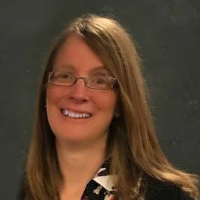
About Lucia
Lucia uses clear, practical sessions focused on solving problems. She keeps most appointments to about 30 minutes, extending to 45 minutes when more time is needed. She listens without judgment and gives direct feedback so people can try different perspectives and practical steps between sessions.
Her background includes work in outpatient mental health centers and inpatient psychiatric hospital settings. She also holds a bachelors in psychology and a masters in criminal justice and social work. That mix of settings shaped how she balances short, focused appointments with attention to larger life factors.
In sessions she draws on client-centered ideas and cognitive behavioral techniques to identify unhelpful thought patterns. She also uses solution-focused methods to set small, achievable goals. For people who carry memories of trauma, she lists EMDR as one of the approaches she uses.
Her approach pays attention to how social, physical, mental, and spiritual life connect to feelings like guilt or shame. She aims to help people find concrete steps they can try between appointments, and to offer practical ways to manage stress, sleep problems, or addictive behaviors while working on deeper concerns.
Areas of expertise
Primary focus
Also works with
Additional focus areas
Therapeutic approaches
Experience
12+ years
Credentials
Missouri
Languages
English
How her approaches translate to online work
Lucia uses cognitive behavioral techniques to help people notice and change thinking patterns that amplify guilt and anxiety. CBT is practical and often involves small experiments and exercises to try between sessions. She also uses Client-Centered Therapy principles, which means she focuses on listening, reflecting what the person says, and building the conversation from the client’s goals.For trauma-related concerns she lists EMDR among the approaches she uses; EMDR involves structured processing of distressing memories guided by the therapist and can be combined with other methods. Choosing which approach to use is a collaborative process. The therapist and client review symptoms, goals, and preferences and decide together what to try first, adjusting the plan as needed.
The original biography does not specify session delivery methods, so please confirm current session formats before booking. Online sessions can make it easier to fit therapy into a workday, allow shorter focused check-ins, or remove travel time. Lucia’s usual rhythm of 30-minute appointments can be helpful for people who need efficient, practical sessions while balancing daily responsibilities.
Frequently asked questions
What concerns does she help with?
She lists stress, anxiety, depression, ADHD, trauma, relationship and parenting stress, and guilt and shame among other issues.
How would she approach shame or guilt?
She uses client-centered listening, cognitive behavioral techniques, and solution-focused steps to identify unhelpful thoughts and try practical responses.
How much experience does she have?
She has 12 years of clinical experience working in outpatient and inpatient psychiatric settings.
What are her credentials and where is she licensed?
She is a Licensed Clinical Social Worker, LCSW, licensed in Missouri since 2013.
Does she see people who speak other languages?
Sessions are offered in English.
Can people outside the US work with her?
She accepts international clients.
What session formats are used?
The original biography does not list specific session formats; confirm current session options before booking.
How are fees handled and how do I start?
Cost varies with location and sessions use a subscription that can be canceled at any time. To begin, select the See online therapy options button, complete the short matching questionnaire, and schedule a first session.
Before you get in touch
The therapists listed here offer talking therapy online. A profile shows how someone describes their work; it cannot tell you how therapy will go, and nobody can promise that guilt or shame will ease by a certain time.
If you are thinking about harming yourself, or you feel unsafe, please contact a crisis line now. The numbers are at the foot of this page.