- Client-centred work
- Psychodynamic ideas
- Existential questions
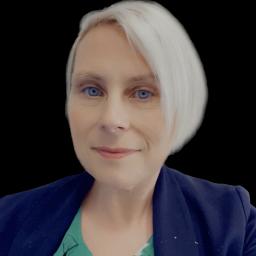
About Louise
She works from the view that each person knows their own story. That means conversations are guided by what matters to the individual rather than by one fixed method. Sessions typically involve talking through current struggles, noticing strengths and understanding how past events affect present feelings.
Louise uses client-centred, existential and psychodynamic ideas in her practice. Client-centred work pays attention to what feels important to the client in the moment. Existential ideas look at meaning, responsibility and how choices affect life. Psychodynamic thinking helps people see patterns rooted in earlier relationships and experiences.
In practical terms Louise helps people name sources of guilt and shame and trace how those feelings show up in everyday life. She also supports people making changes after loss, breakup, addiction or difficult events. Her approach is straightforward and conversational, with space to reflect and to try different ways of responding to old patterns.
Sessions are aimed at clear, manageable steps rather than long lists of tasks. Louise asks questions, reflects back what she hears and helps people decide which next steps might fit their situation. To begin, she asks a few simple questions to match needs and then arranges a first session.
Areas of expertise
Also works with
Additional focus areas
Therapeutic approaches
Experience
7+ years
Credentials
United Kingdom
Languages
English
How her approaches translate to online work
Client-Centred Therapy places attention on what matters most to the client in each session. Online sessions using this approach focus on listening carefully, reflecting what is heard and following the client’s priorities to decide what to talk about next. Existential Therapy looks at meaning, choice and responsibility. Used online it helps people consider how their values and decisions shape day-to-day life and how they might want to respond differently.Finding the right approach is part of the work together. Louise will discuss how these ways of working fit a person’s needs, goals and preferences and adjust the focus as sessions progress. The choice of method is collaborative and reviewed as practical steps are tried out.
The main practical benefit of online work is fitting sessions into everyday life. Many people find online conversations make it easier to schedule a shorter check-in during a break, avoid travel time and keep continuity when life is busy. Confirm the specific session formats available before booking, as they are not listed in the biography, and choose what suits your routine and needs.
Frequently asked questions
What kinds of concerns does she help with?
She helps people with stress, anxiety, trauma and abuse, self-esteem and depression, plus issues such as addiction, grief, anger and guilt and shame.
How would she approach feelings of shame or guilt?
She uses conversations that name the feelings, explore where they come from and look at how they affect day-to-day choices and relationships.
How much clinical experience does she have?
She has seven years of experience working as a counsellor in the United Kingdom.
What credential does she hold and where is she based?
She is registered with the BACP and practices in the United Kingdom.
Does she work in other languages or with international clients?
Sessions are offered in English and she does not accept international clients at present.
Which session formats are offered?
Please confirm the current session options before booking, as formats are not specified in the biography.
How does pricing work for sessions?
Cost varies with location and sessions use a subscription that can be cancelled at any time.
How do I begin if I want to work with her?
Select the See online therapy options button, complete a short matching questionnaire and schedule a first session.
Before you get in touch
The therapists listed here offer talking therapy online. A profile shows how someone describes their work; it cannot tell you how therapy will go, and nobody can promise that guilt or shame will ease by a certain time.
If you are thinking about harming yourself, or you feel unsafe, please contact a crisis line now. The numbers are at the foot of this page.