- Client-Centered Therapy
- Cognitive Behavioral Therapy
- Emotion-Focused Therapy
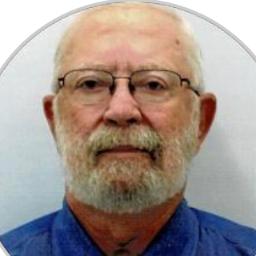
About Louis
He focuses on helping people speak about difficult feelings without judgment. Sessions move at a steady pace and center on the client's concerns. He encourages clear, direct conversation about what is on someone’s mind.
In practice he mixes client-centered methods with structured tools. That means listening closely and then introducing practical strategies when they fit. He draws on cognitive behavioral ideas to address thought patterns and on emotion-focused work to look at feelings in relationships.
People come to him for problems like grief, trauma, parenting strain, sleep and eating concerns, and issues tied to identity or intimacy. He also works with anger, low self-esteem, ADHD, and burnout-related issues such as compassion fatigue.
His approach is straightforward: name the problem, try a few techniques, and adjust as needed. He helps clients compare options and choose what feels most useful. For someone carrying guilt or shame, he offers a mix of listening and concrete steps to manage those feelings.
To begin, people answer a short matching questionnaire and then schedule a first session. Fees vary with location and sessions use a subscription that can be canceled at any time.
Areas of expertise
Primary focus
Also works with
Additional focus areas
Therapeutic approaches
Experience
40+ years
Credentials
Kansas, Missouri
Languages
English
How Louis uses talk and practical methods online
Client-centered therapy focuses on listening and understanding a person's perspective. The therapist follows the client's lead, reflects what they say, and helps clarify priorities. This approach fits issues where someone needs space to name painful feelings and feel heard.Cognitive Behavioral Therapy, or CBT, looks at how thoughts, feelings, and actions connect. It uses simple exercises to try different ways of thinking and behaving. CBT is often used for anxiety, depression, and patterns that keep producing guilt or shame.
Emotion-Focused Therapy helps people identify and change painful emotional patterns in relationships. It is useful when strong feelings around intimacy or loss get in the way of connecting with others.
Choosing an approach is a collaborative process. The therapist will help figure out which methods match a person's goals, concerns, and preferences. Together they try an approach for a few sessions and adjust based on what helps.
The biography does not list specific session formats, so confirm which options are offered before booking. Online work can make it easier to fit sessions into a busy week, allow shorter check-ins when needed, or reduce travel time. Licensed professionals can use conversation, worksheets, and skill practice in remote sessions to work on thoughts, feelings, and behavior without promising particular outcomes.
Frequently asked questions
What kinds of concerns does he address?
He works with stress, anxiety, addictions, LGBT matters, relationship difficulties, grief, trauma, and related issues including guilt and shame.
How would you describe his therapeutic style?
He uses a mix of client-centered listening and practical techniques. He listens first, then offers strategies like cognitive and emotion-focused methods.
How long has he been practicing?
He has 40 years of professional experience in social work and mental health settings.
What are his credentials and where is he based?
He holds KS LSCSW and MO LCSW credentials and practices from Kansas with Missouri licensure noted.
Are sessions offered in other languages or internationally?
Sessions are offered in English. He is not accepting international clients.
What session formats are available?
The original biography does not list specific session formats. Confirm current session options before booking.
How are fees handled?
Cost varies with location and sessions use a subscription model that can be canceled at any time.
What are the first steps to start working together?
Select the See online therapy options button, complete a short matching questionnaire, and schedule a first session.
Before you get in touch
The therapists listed here offer talking therapy online. A profile shows how someone describes their work; it cannot tell you how therapy will go, and nobody can promise that guilt or shame will ease by a certain time.
If you are thinking about harming yourself, or you feel unsafe, please contact a crisis line now. The numbers are at the foot of this page.