- Stress and anxiety
- Addictions support
- Guilt and shame
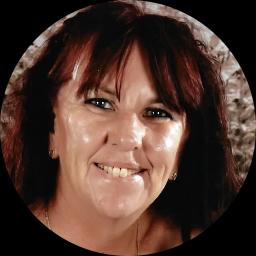
About Lola
Lola aims to keep conversations straightforward and practical. Sessions focus on clear steps people can try between meetings. She listens for how past events and current pressures keep showing up in daily life. Together they spot patterns and make small shifts that fit real routines.
Her approach is person-centred and goal-focused. That means she pays attention to what matters most to each person and helps set realistic short-term goals. She uses evidence-based therapeutic techniques to address panic attacks, persistent worry, and problems with substance use or impulse control.
Lola also helps with communication problems and questions about life purpose. Work often includes skills for managing strong emotions and rebuilding more helpful self-talk around guilt and shame. Sessions move at a pace chosen by the client and aim to build clearer choices for everyday situations.
She offers sessions in English and practices in Australia. To begin, people are asked to complete a short matching questionnaire and schedule a first appointment. Fees vary by location and sessions use a subscription model that can be cancelled at any time.
Areas of expertise
Primary focus
Additional focus areas
Experience
5+ years
Credentials
Australia
Languages
English
Evidence-based techniques and online therapy
She draws on evidence-based therapeutic techniques that aim to reduce distress and improve day-to-day coping. One common approach is skills-based work that teaches breathing, grounding and emotion-regulation strategies for panic attacks and high anxiety. These skills are practical and focus on what to do in the moment to lessen intense symptoms.Another approach is behaviour-focused work to address addictions and patterns that no longer serve someone. This involves looking at triggers, building alternatives, and planning small experiments to test new ways of responding. It helps when people want clear steps to change habits that cause regret or shame.
Finding the right approach is part of the work and is decided collaboratively. The therapist will talk through what matters most to the client, outline options, and adjust methods over time based on progress and preferences.
Session formats are not specified in the biography, so confirm current online options before booking. Online work can make it easier to fit therapy into a busy week, allow shorter check-ins when needed, and reduce travel time. Therapists generally adapt exercises so they work well through whichever format is offered.
Frequently asked questions
What concerns does she help with?
She works with stress, anxiety, addictions, trauma and abuse, anger, and coping with life changes. Additional focus areas include communication problems, guilt and shame, life purpose, panic attacks and self-love.
What is her therapeutic style?
She uses a person-centred, goal-focused style combined with evidence-based techniques. Sessions are practical and aim for small, usable changes between meetings.
How much experience does she have?
She has five years of professional work experience in Australia supporting people with the listed concerns.
What are her credentials and location?
She is an ACA counsellor and is based in Australia.
Does she work in languages other than English?
Sessions are offered in English.
Can people outside Australia work with her?
She does not accept international clients at this time.
How are sessions structured and what do they cost?
Session costs vary with location and are delivered via a subscription model that can be cancelled at any time. Please confirm current session options before booking.
How do I start a first session?
Select the See online therapy options button, complete a short matching questionnaire, and schedule a first session.
Before you get in touch
The therapists listed here offer talking therapy online. A profile shows how someone describes their work; it cannot tell you how therapy will go, and nobody can promise that guilt or shame will ease by a certain time.
If you are thinking about harming yourself, or you feel unsafe, please contact a crisis line now. The numbers are at the foot of this page.