- Guilt and shame
- Self-esteem work
- Life transitions
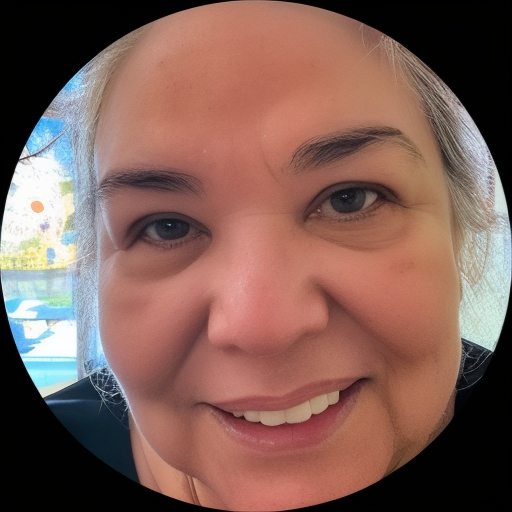
About Lisa
Her sessions are straightforward and conversational. She listens for what matters most and helps identify small, practical steps to try between meetings. Sessions often focus on understanding painful feelings, spotting unhelpful patterns, and practicing different ways of responding to them.
Lisa draws on evidence-based therapeutic techniques to address painful memories and current stressors. She helps people make sense of how past experiences shape present beliefs and behaviors. That can include working on self-blame, restoring a sense of agency, and rebuilding confidence after loss or trauma.
She pays attention to communication habits and how they affect relationships and self-regard. Work with her can include rehearsing clearer ways to express needs and setting realistic personal boundaries. The aim is steady progress through doable changes rather than quick fixes.
People who come because of guilt or shame can expect a direct but gentle approach. Lisa encourages honest discussion of what the client is feeling, practical tools to change daily routines, and checking progress over time. To begin, clients choose the online therapy options, complete a short matching questionnaire, and schedule a first session.
Areas of expertise
Additional focus areas
Experience
15+ years
Credentials
Arkansas
Languages
English
How evidence-based approaches translate to online sessions
Many clients benefit from targeted, evidence-based techniques that help with painful memories and difficult feelings. For example, trauma-focused methods aim to help people process distressing events and reduce the intensity of upsetting recollections by working through them at a manageable pace. Approaches that focus on mood and behavior teach practical skills for changing unhelpful habits, improving daily routines, and lifting low mood through consistent small actions.Finding the right approach is part of the work. The therapist and client decide together which techniques to try based on the client’s goals, symptoms, and preferences. This collaborative process includes checking what helps and adjusting methods over time so sessions stay relevant and practical.
Confirm the specific session formats before booking, as the biography does not list them explicitly. Online work can make it easier to fit therapy into a busy week, reduce travel time, and allow shorter check-ins when schedules are tight. It can also let conversations focus on concrete strategies, homework, and tracking progress between meetings, which often supports steady, manageable change.
Frequently asked questions
What concerns does she address most often?
She works with trauma and abuse, grief, low self-esteem, depression, and coping with life changes, plus related areas like guilt and shame.
How would she describe her therapeutic style?
Her style is conversational and practical. She listens for key patterns and suggests small steps to try between sessions.
How much clinical experience does she have?
She has 15 years of experience as a practicing clinician working with emotional and life transition issues.
What are her credentials and location?
She is an LCSW - Licensed Clinical Social Worker - and practices in Arkansas.
Does she offer sessions in other languages?
Sessions are offered in English.
Can international clients work with her?
She is not accepting international clients at this time.
How are sessions arranged and what does cost look like?
Cost varies with location and sessions use a subscription that can be canceled at any time.
What is the first step to begin working together?
Select the See online therapy options button, complete a short matching questionnaire, and schedule a first session.
Before you get in touch
The therapists listed here offer talking therapy online. A profile shows how someone describes their work; it cannot tell you how therapy will go, and nobody can promise that guilt or shame will ease by a certain time.
If you are thinking about harming yourself, or you feel unsafe, please contact a crisis line now. The numbers are at the foot of this page.