- Guilt and shame
- CBT and DBT
- EMDR and mindfulness
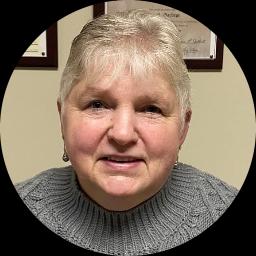
About Linda
Linda uses a straightforward, person-focused approach in sessions. She listens closely and helps people put words to difficult feelings. Conversations tend to focus on what is happening now and on practical ways to respond differently when old patterns show up.
Her methods draw from Client-Centered Therapy, Cognitive Behavioral Therapy (CBT), Dialectical Behavior Therapy (DBT), EMDR, and Mindfulness Therapy. That mix lets her combine talking, skill practice, and mind-body ways of handling upsetting memories or strong emotions.
She often works on problems like panic, obsessions and compulsions, eating and food-related issues, and communication problems. She also supports people grappling with identity-related concerns, including LGBT topics, and the strains that come with parenting and blended households.
Linda offers sessions in English and accepts international clients. Costs vary by location and use a subscription that can be canceled at any time. To begin, choose the See online therapy options button, complete a short matching questionnaire, and schedule a first session.
Areas of expertise
Primary focus
Also works with
Additional focus areas
Therapeutic approaches
Experience
11+ years
Credentials
Pennsylvania, Massachusetts
Languages
English
How Linda’s approaches work for online sessions
Linda often draws on Client-Centered Therapy, Cognitive Behavioral Therapy (CBT), and EMDR in her work. Client-Centered Therapy emphasizes listening and collaboration so people can name what feels wrong and decide what matters most to work on. CBT focuses on the links between thoughts, feelings, and behaviors and uses specific exercises to test out different ways of thinking and acting. EMDR is used to process distressing memories through guided attention and can help when trauma or deeply held shame keeps returning.Finding the right approach is part of the process. She will discuss options with each client and decide together which methods fit the person's goals and preferences. That collaborative planning can adjust as progress or needs change.
The biography does not specify session formats, so confirm current options before booking. Online work can make it easier to fit therapy into a busy life - it can reduce travel, allow shorter check-ins, or avoid being on camera when that feels better. Many licensed professionals use these flexible session styles to help people maintain regular contact while managing day-to-day responsibilities.
Frequently asked questions
What kinds of concerns does she address?
She works with stress, anxiety, relationship issues, trauma and abuse, self-esteem, depression, and career concerns. Additional areas include guilt and shame, forgiveness, chronic illness and pain, and post-traumatic stress.
How would she approach shame or guilt?
She combines client-centered listening with practical techniques from CBT and DBT and may use EMDR or mindfulness when processing traumatic memories. The work focuses on naming feelings and trying new ways of responding to them.
What is her background and experience?
She has 11 years of professional experience working in clinical settings and community care. Her practice includes therapy for relationship, trauma, and mood-related concerns.
What are her credentials and where is she based?
She holds an LCSW in Pennsylvania and an LICSW in Massachusetts and practices from Pennsylvania. These are the credentials listed for her clinical work.
Which languages are supported?
Sessions are offered in English. International clients are accepted.
What session formats are available?
The original biography does not list specific session formats. Confirm current session options before booking.
How is cost handled?
Cost varies with location and sessions use a subscription model that can be canceled at any time. Exact pricing depends on the service settings you choose.
How do I get started?
Select the See online therapy options button, complete a short matching questionnaire, and schedule a first session to begin.
Before you get in touch
The therapists listed here offer talking therapy online. A profile shows how someone describes their work; it cannot tell you how therapy will go, and nobody can promise that guilt or shame will ease by a certain time.
If you are thinking about harming yourself, or you feel unsafe, please contact a crisis line now. The numbers are at the foot of this page.