- Client-centered methods
- Cognitive behavior tools
- Emotion-focused work
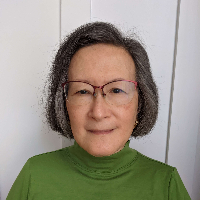
About Lillian
She uses a client-centered stance that treats the person as the expert on their life. Sessions focus on what matters most to the client and build on their existing strengths. Lillian listens for patterns that keep painful feelings alive and helps people test small changes to see what actually helps.
Her work draws on several practical approaches, including cognitive behavioral techniques to notice unhelpful thinking, emotionally-focused ideas for clarifying feelings in relationships, and solution-focused steps to try concrete options between sessions. She also uses existential questions when people wrestle with meaning after big life changes.
Lillian reports a long history in social work settings, including agencies that serve people affected by violence, hospitals, and care settings for aging and serious illness. That background informs how she supports people dealing with caregiving stress, cancer, hospice and end-of-life concerns, and trauma histories.
Sessions are carried out in English and Mandarin, and she accepts international clients. Prospective clients are invited to start by completing the short matching questionnaire and scheduling a first session to see if the fit feels right.
Areas of expertise
Also works with
Additional focus areas
Therapeutic approaches
Experience
20+ years
Credentials
New York
Languages
English, Mandarin
How her approaches translate to online work
Client-Centered Therapy focuses on listening and following the client's priorities. It helps when someone needs a place to sort through what matters, clarify goals, and decide next steps. Cognitive Behavioral Therapy (CBT) teaches practical skills to recognize and test thinking patterns and behaviors that keep stress or shame going. It works well for anxiety, depression, and recurring self-critical thoughts. Emotionally-Focused Therapy (EFT) looks at how emotions show up in relationships and helps people name and respond to those feelings more clearly.Choosing the right approach is part of the work. Lillian will talk with each person about goals, preferences, and what has or hasn't helped before. Together they decide which methods to use and adjust the plan as needed, testing small changes between sessions.
Confirm current session options before booking, as specific formats are not listed in the biography. Online sessions can make it easier to fit therapy around work, caregiving, or medical appointments. They also let people meet without travel and can allow shorter check-ins when a full session isn't needed. If language needs matter, sessions are available in English and Mandarin, and she accepts international clients.
Frequently asked questions
What kinds of concerns does she address?
She works with stress, anxiety, trauma and abuse, grief, depression, relationship and family concerns, self-esteem, career stress, compassion fatigue, and lists guilt and shame among her focus areas.
How would she describe her therapeutic style?
She practices from a client-centered stance, building on clients' strengths and using practical methods like CBT, emotionally-focused techniques, and solution-focused steps.
How much experience does she have?
She has about 20 years of clinical experience working in settings such as child welfare agencies, victim treatment centers, hospitals, and care settings for older adults.
What are her credentials and where is she based?
She is an LCSW (licensed clinical social worker) licensed in New York and practices from that jurisdiction.
Which languages are supported in sessions?
Sessions are offered in English and Mandarin.
Can international clients work with her?
She accepts international clients; confirm any cross-border details before booking.
How are sessions paid for and what does it cost?
Cost varies with location and sessions use a subscription that can be canceled at any time.
How do I begin if I want to work together?
Select the See online therapy options button, complete the short matching questionnaire, and schedule a first session to start the process.
Before you get in touch
The therapists listed here offer talking therapy online. A profile shows how someone describes their work; it cannot tell you how therapy will go, and nobody can promise that guilt or shame will ease by a certain time.
If you are thinking about harming yourself, or you feel unsafe, please contact a crisis line now. The numbers are at the foot of this page.