- Guilt and shame
- ACT and CBT
- Recovery model
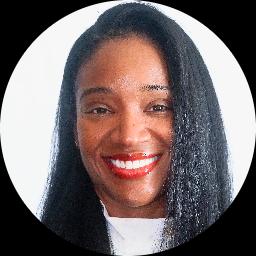
About LaTasha
She uses practical, skills-based approaches in sessions. That can mean looking at thoughts and behaviors, building awareness, and practicing new ways of responding to hard feelings. She also draws on attachment ideas to talk about how early relationships shape current patterns.
LaTasha has worked with people from varied cultural and socioeconomic backgrounds. She has clinical experience in the recovery model and with serious mental illness and substance use disorders. This background informs how she frames goals and supports motivation for change.
Her approach blends Acceptance and Commitment Therapy, cognitive behavioral work, mindfulness, and client-centered listening. Sessions often include skill practice, gentle experiments, and direct conversation about what is getting in the way of living the life someone wants.
People commonly bring concerns about shame, guilt, abandonment, codependency, ADHD, chronic illness, and coping after trauma. LaTasha aims to help people name patterns, try manageable changes, and decide what matters most to them.
To begin she invites a straightforward discussion about current struggles, practical goals, and what the person hopes to do differently between sessions.
Areas of expertise
Primary focus
Also works with
Additional focus areas
Therapeutic approaches
Experience
10+ years
Credentials
Florida, Massachusetts, Arkansas
Languages
English
How her approaches translate to online sessions
Acceptance and Commitment Therapy (ACT) focuses on noticing thoughts and feelings without getting stuck in them and then taking small actions that align with what matters. ACT can help with persistent guilt or shame by shifting attention toward values-based steps. Cognitive Behavioral Therapy (CBT) looks at the connections between thoughts, feelings, and behavior and teaches practical skills to test unhelpful beliefs and reduce distress. CBT is often used for anxiety, depression, and relationship-related patterns.Finding the right approach is part of the work. LaTasha treats this as a collaborative process. She will discuss goals, try methods, and adjust techniques based on what the person finds helpful and doable.
The biography does not specify particular session formats, so confirm current online options before booking. In general, online sessions can make it easier to fit appointments into a busy week, have shorter check-ins when needed, or avoid travel time. They also let people practice skills between sessions in their usual routines. Licensed professionals and therapists can use a mix of conversational work, guided exercises, and behavioral experiments that translate well to remote meetings.
Frequently asked questions
What kinds of concerns does she work with?
She works with depression, bipolar disorder, addictions, anxiety, stress, relationship and intimacy issues, trauma and grief, and related concerns such as guilt and shame.
How would she approach feelings of shame or guilt?
She uses acceptance and commitment ideas along with cognitive behavioral techniques and mindfulness to help people notice judgments, practice different responses, and clarify values that guide action.
What is her clinical background and experience?
She has 10 years of experience and has worked with serious mental illness and substance use disorders within a recovery model framework.
What credentials and location are on record?
She is a Licensed Clinical Social Worker with AR LCSW and FL LCSW credentials and practices in Florida.
Does she offer sessions in other languages or to international clients?
Sessions are offered in English and she is not currently accepting international clients.
What session formats are available?
The original biography does not list specific session formats; confirm current session options before booking.
How are sessions billed or paid for?
Cost varies with location and sessions use a subscription model that can be canceled at any time.
How do I get started if I want to work with her?
Select the See online therapy options button, complete the short matching questionnaire, and schedule a first session.
Before you get in touch
The therapists listed here offer talking therapy online. A profile shows how someone describes their work; it cannot tell you how therapy will go, and nobody can promise that guilt or shame will ease by a certain time.
If you are thinking about harming yourself, or you feel unsafe, please contact a crisis line now. The numbers are at the foot of this page.