- CBT techniques
- Motivational interviewing
- Solution-focused work
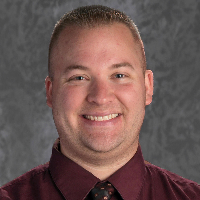
About Kyle
Kyle uses practical approaches in sessions. He often leans on Cognitive Behavioral Therapy to help people notice and change unhelpful thoughts and behaviors. He also uses Client-Centered techniques to listen and clarify what matters most to the person in front of him.
Sessions include straightforward problem solving and goal-focused work drawn from Solution-Focused Therapy. Motivational Interviewing helps when someone feels stuck or unsure about change. Kyle combines these tools to help people make small, manageable shifts in daily life.
He has experience across school and community settings and has supported people at different life stages through anxiety, grief, and relationship conflict. In conversations he aims to identify current patterns that keep people feeling stuck and then test simple alternatives.
Kyle offers clear, practical steps rather than abstract theory. He often sets small goals, tracks progress, and revisits what’s working. People looking for help with guilt or shame, control issues, or mood concerns will find an approach that emphasizes skills, short-term strategies, and collaborative problem solving.
Areas of expertise
Primary focus
Also works with
Additional focus areas
Therapeutic approaches
Experience
8+ years
Credentials
Pennsylvania
Languages
English
How Kyle uses practical approaches in online work
Kyle commonly draws on Cognitive Behavioral Therapy to help people notice the thoughts and behaviors that keep them stuck. CBT breaks problems into manageable parts and is often used for anxiety, low mood, and anger by testing small behavior changes and new ways of thinking.He also uses Client-Centered Therapy, which focuses on listening, clarifying values, and helping people decide their own next steps. This approach supports conversations about guilt, shame, life purpose, and decisions without directing outcomes.
Finding the right approach is part of the work. Kyle treats approach selection as a collaborative process and will help figure out what fits based on a person’s goals and preferences. He often blends methods and adjusts plans as progress is made.
If you want to use online sessions, confirm the current session options before booking. The main practical benefits are being able to schedule sessions around work or parenting, joining from a quieter space when needed, and choosing shorter check-ins when life gets busy. These practical arrangements can make it easier to keep therapy consistent while balancing daily responsibilities.
Frequently asked questions
What concerns does he commonly address?
Kyle works with stress, anxiety, depression, anger, grief, relationship and family issues, parenting, ADHD, and related concerns such as guilt and shame.
How does he approach feelings of guilt or shame?
He uses Cognitive Behavioral Therapy to identify unhelpful thoughts and practical steps to test new perspectives. Sessions also include client-centered listening to clarify values and goals.
How much experience does he have?
Kyle has eight years of experience working in school and community settings with children, adolescents, and adults, and has supported many people through anxiety, grief, and life transitions.
What are his credentials and where does he practice?
He is a Licensed Professional Counselor (LPC) practicing in Pennsylvania.
Which languages are sessions offered in?
Sessions are offered in English.
Can people outside the US work with him?
He does not accept international clients at this time.
How are sessions billed and what are the fees?
Cost varies with location; sessions use a subscription that can be canceled at any time.
What are the first steps to begin working together?
Select the See online therapy options button, complete a short matching questionnaire, and schedule a first session.
Before you get in touch
The therapists listed here offer talking therapy online. A profile shows how someone describes their work; it cannot tell you how therapy will go, and nobody can promise that guilt or shame will ease by a certain time.
If you are thinking about harming yourself, or you feel unsafe, please contact a crisis line now. The numbers are at the foot of this page.