- CBT techniques
- Motivational interviewing
- Solution-focused work
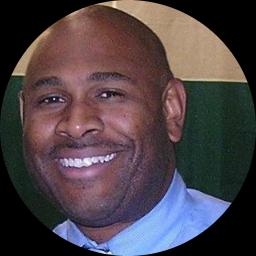
About Korey
Korey uses practical, skills-based approaches in sessions. He often draws on solution-focused work to identify small, doable steps a person can try between visits. Cognitive Behavioral Therapy is part of his approach when thoughts and behaviors are contributing to distress. He also uses motivational interviewing strategies to support change when someone feels stuck.
In early meetings he gathers a clear background of current needs and begins to build a plan with the person. He aims to help people notice patterns, name hard feelings, and practice new ways of responding. He talks through internalized guilt and shame and supports clients who want clearer boundaries, better sleep, or improved coping skills.
Korey has spoken about relationship topics on radio and offers evening and weekend appointment times. He works in Maryland and provides services in English. He holds the LICSW credential and the LCSW-C credential for Maryland practice.
People who choose him can expect straightforward conversations about goals and next steps. Early sessions focus on what is most pressing and on simple tools to try between meetings.
Areas of expertise
Primary focus
Also works with
Additional focus areas
Therapeutic approaches
Experience
20+ years
Credentials
Maryland, District of Columbia
Languages
English
How Korey uses evidence-based approaches online
Korey works with Cognitive Behavioral Therapy to help people spot unhelpful thought patterns and try new behaviors. CBT often focuses on practical exercises and short experiments that can reduce anxiety, depression, or problematic routines.He also uses Motivational Interviewing to support people who feel stuck or ambivalent about change. That approach emphasizes listening and drawing out personal reasons for change rather than pushing advice. Solution-Focused Therapy appears in his work as well, focusing on small, achievable steps and next-best actions to move forward.
Choosing an approach is collaborative. He will discuss options with you, consider your goals and preferences, and recommend a path to try. If an approach does not feel helpful, he will adjust the plan together with you.
Confirm current session formats before booking as they are not specified here. Online work can make it easier to fit therapy into a busy week, allow shorter check-ins when time is limited, and reduce travel time so sessions can fit around work or caregiving. Licensed professionals can adapt CBT exercises, motivational conversations, and solution-focused tasks to remote sessions so progress continues even when schedules are tight.
Frequently asked questions
What kinds of issues does he help with?
He works with stress, anxiety, anger, low self-esteem, depression, relationship and family concerns, trauma and grief, and issues related to guilt and shame among many others.
How would he approach guilt or shame in sessions?
He uses conversational techniques to help you name internalized feelings and notice patterns, then practices concrete skills to change responses over time.
What is his experience background?
He has over 20 years of professional work experience and has discussed relationship topics on radio.
What are his credentials and where does he practice?
He holds LICSW and LCSW-C credentials and practices in Maryland.
Can I work with him if English is not my first language?
Sessions are offered in English.
Does he work with international clients?
He does not accept international clients at this time.
How are sessions scheduled and what do they cost?
Cost varies with location and sessions use a subscription that can be canceled at any time.
How do I get started with him?
Select the See online therapy options button, complete a short matching questionnaire, and schedule a first session.
Before you get in touch
The therapists listed here offer talking therapy online. A profile shows how someone describes their work; it cannot tell you how therapy will go, and nobody can promise that guilt or shame will ease by a certain time.
If you are thinking about harming yourself, or you feel unsafe, please contact a crisis line now. The numbers are at the foot of this page.