- CBT methods
- Attachment focus
- Trauma approaches
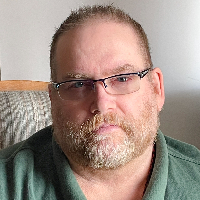
About Ken
He has worked across state human services and community mental health settings. That background includes child welfare, adoption-related matters, and long experience with people facing housing and employment instability. He has also treated people court ordered into outpatient programs for sexual offenses and substance use, and supported clients dealing with sexual addictions and substance abuse.
Ken listens for strengths clients already have and uses those as tools toward goals. His approach draws on cognitive behavioral ideas, client-centered or humanistic practice, and rational-emotive techniques to notice and change thoughts that drive unhelpful behaviors. He helps people set concrete goals and identify steps they can try between sessions.
He also uses attachment-based concepts when working on relationship and intimacy concerns. EMDR and DBT are among the methods he lists for trauma, emotion regulation, and coping skills when those fit a client's needs.
Practical life problems often come up in sessions, such as parenting strain, caregiver stress, or struggles with employment and housing. He aims to address those real-world barriers alongside emotional and behavioral concerns so clients can move toward clearer next steps.
Areas of expertise
Primary focus
Also works with
Additional focus areas
Therapeutic approaches
Experience
14+ years
Credentials
Utah
Languages
English
How his approaches translate to online work
Ken uses cognitive-behavioral therapy to help people notice thoughts that feed guilt and shame, test those thoughts, and try different behaviors. CBT is practical and often involves short exercises and homework to change unhelpful patterns.He also draws on attachment-based ideas to look at how early relationships shape current trust and intimacy issues. That approach can help when shame is tied to feeling abandoned, misunderstood, or disconnected from others.
Finding the right approach is collaborative. He will review a client's history, goals, and preferences and suggest which methods to try first. Together they check whether an approach is helping and adjust over time.
The therapist's original profile does not list specific online session formats, so confirm current options before booking. Many clients choose remote sessions because they fit into workdays, reduce travel time, or make it easier to keep appointments around caregiving or job demands. Others prefer sessions that allow shorter check-ins or less time on camera when that helps focus on skills work rather than long conversation.
Frequently asked questions
What kinds of problems does he address related to guilt or shame?
He works with guilt and shame alongside issues like relationship conflict, addiction, trauma, forgiveness, and self-esteem concerns.
How would he approach feelings of persistent guilt?
He listens for existing strengths and uses cognitive-behavioral and rational-emotive ideas to identify thinking patterns that maintain guilt and then develop practical steps to change them.
What experience does he bring to these concerns?
He has 14 years as a licensed mental health therapist and many more years in state human services and community mental health roles supporting people with complex life stressors.
What is his credential and where does he practice?
He is a Licensed Clinical Mental Health Counselor (LCMHC) practicing in Utah.
Are sessions available in languages other than English?
Sessions are offered in English.
Does he work with clients outside the United States?
He does not accept international clients at this time.
How are sessions structured and what formats are offered?
The original profile does not specify session formats; please confirm current session options before booking.
How do fees and scheduling work?
Cost varies with location and sessions use a subscription that can be canceled at any time; to begin, complete the short matching questionnaire and schedule a first session.
Before you get in touch
The therapists listed here offer talking therapy online. A profile shows how someone describes their work; it cannot tell you how therapy will go, and nobody can promise that guilt or shame will ease by a certain time.
If you are thinking about harming yourself, or you feel unsafe, please contact a crisis line now. The numbers are at the foot of this page.