- Stress and anxiety
- Self esteem work
- Guilt and shame
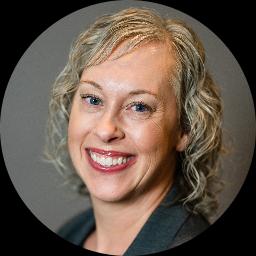
About Kathryn
She starts by listening to what a person already brings to therapy and what they hope to change. She treats clients as the experts on their own lives and helps clarify strengths and gaps. Conversations focus on practical ways to use existing resources and add new strategies where needed.
Sessions are straightforward and aim to identify realistic steps someone can try between meetings. Kathryn pays attention to how patterns of thinking and relating affect mood and confidence. She works with people who feel isolated, stuck by past choices, or overwhelmed by daily pressures.
She describes therapy as a chance to notice what is working and what is not, then try different approaches to shift those patterns. That can mean practicing new communication habits, testing gentler self-talk, or narrowing priorities to reduce burnout.
Her approach is respectful and collaborative. People who want practical guidance combined with careful listening often find this style helpful when dealing with guilt and shame, life transitions, or ongoing stressors.
Areas of expertise
Additional focus areas
Experience
22+ years
Credentials
Minnesota
Languages
English
How evidence-based methods are used online
Many therapists combine practical, evidence-based methods to address problems like anxiety, depression, and stuck patterns. Cognitive approaches focus on how thoughts influence feelings and behavior and involve learning to notice and test unhelpful thoughts. Behavioral or skills-based methods concentrate on building routines, coping strategies, and communication habits that reduce overwhelm and improve mood.Finding the right approach is part of the work. Kathryn will collaborate with each person to choose methods that match their goals, comfort level, and life demands. That means trying techniques, checking what helps, and adjusting plans together rather than following a fixed script.
Confirm available session options before booking, since formats are not listed here. Online sessions can make it easier to fit therapy into a busy week, allow for shorter check-ins when time is tight, and reduce the need to travel. These practical benefits help people maintain consistency and apply new skills in everyday situations.
Frequently asked questions
What kinds of issues does she help with?
She works with stress, anxiety, low self-esteem, depression, coping with life changes, and compassion fatigue, plus related concerns such as attachment issues, communication problems, control issues, guilt and shame, isolation, life purpose, mood disorders, narcissism, and workplace issues.
How would she describe her therapeutic style?
Her style is listening-first and practical. She highlights current strengths and suggests concrete steps to try between sessions.
How much clinical experience does she have?
She has 22 years of experience as a mental health therapist working in Minnesota.
What credential does she hold and where is she based?
She holds the LPCC credential and practices in Minnesota.
Which languages are supported for sessions?
Sessions are offered in English.
Can people outside the United States work with her?
She is not currently accepting international clients.
How are fees and payments handled?
Cost varies with location and sessions use a subscription model that can be canceled at any time.
What steps are involved in getting started?
Begin by selecting the See online therapy options button, complete a short matching questionnaire, and schedule an initial session.
Before you get in touch
The therapists listed here offer talking therapy online. A profile shows how someone describes their work; it cannot tell you how therapy will go, and nobody can promise that guilt or shame will ease by a certain time.
If you are thinking about harming yourself, or you feel unsafe, please contact a crisis line now. The numbers are at the foot of this page.