- Guilt and shame
- Emotional regulation
- Relationship distress
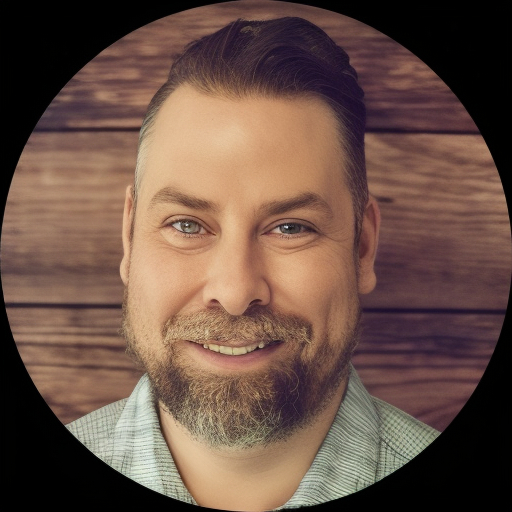
About Joshua
He pays attention to the reasons behind thoughts, behaviors, and emotional reactions. He helps clients notice patterns and then set practical intentions to shift them. Much of his work looks at how trauma affects the nervous system, relationships, and a person's sense of self.
Sessions often include building skills for emotional regulation and clearer boundaries. He uses tools drawn from evidence-based therapeutic techniques to help manage compulsive behaviors and addiction-related problems. He also addresses relationship distress and betrayal trauma by helping people sort through what happened and what matters next.
Joshua works collaboratively and adjusts the work to each person's goals and history. He combines reflection with practical exercises so people can practice changes outside sessions. The aim is steady, manageable progress rather than quick fixes.
People who are carrying guilt or shame about past choices, identity, or relationship events may find this a straightforward, skill-focused approach. He offers sessions in English from his Utah practice and does not accept international clients.
Areas of expertise
Additional focus areas
Experience
7+ years
Credentials
Utah
Languages
English
How therapeutic approaches shape online sessions
Joshua draws on cognitive behavioral approaches that look at the links between thoughts, feelings, and actions. These methods help identify unhelpful thinking patterns and teach practical strategies to reduce anxiety or compulsive urges.He also integrates Internal Family Systems style ideas that help people notice different parts of themselves and how those parts influence behavior. This can be useful when guilt or shame feel overwhelming because it separates the feeling from the person and makes it possible to work with those parts more directly.
Finding the right blend of techniques is part of the work. He will collaborate with clients to choose approaches that fit their goals, history, and day-to-day life. That process includes checking what feels useful and adjusting tools as progress is made.
Confirm current session options before booking so you know which formats are supported. Online therapy can make sessions easier to fit into a busy week, allow shorter check-ins when schedules demand it, and reduce travel time. It can also let people choose whether to use video or another supported format based on what works best for focus and convenience.
Frequently asked questions
What kinds of concerns does he work with?
He works with stress, anxiety, addictions, trauma and abuse, intimacy-related issues, and depression. Additional focus areas include communication problems, forgiveness, guilt and shame, isolation, life purpose, and self-love.
How would he approach guilt or shame?
He focuses on understanding the reasons behind thoughts and behaviors and pairs awareness with intention. The work includes practical skills for emotional regulation and clearer boundaries.
What is his professional background?
He has seven years of clinical experience working with individuals and couples on trauma, compulsive behaviors, anxiety, and relationship distress.
What credential does he hold and where is he based?
He holds the LCMHC credential and practices in Utah.
Which languages are supported in sessions?
Sessions are offered in English.
Can international clients work with him?
He does not accept international clients at this time.
How are sessions paid for and what do they cost?
Cost varies with location and sessions use a subscription that can be canceled at any time.
How do I begin working with him?
Use the See online therapy options button, complete the short matching questionnaire, and schedule a first session.
Before you get in touch
The therapists listed here offer talking therapy online. A profile shows how someone describes their work; it cannot tell you how therapy will go, and nobody can promise that guilt or shame will ease by a certain time.
If you are thinking about harming yourself, or you feel unsafe, please contact a crisis line now. The numbers are at the foot of this page.