- Guilt and shame
- Panic management
- Communication skills
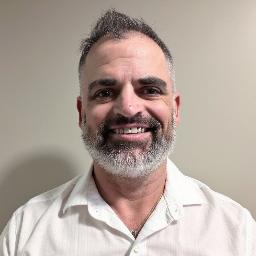
About Joseph
He favors straightforward, evidence-based techniques to help clients understand what keeps old patterns going. Sessions tend to focus on identifying unhelpful thinking and behavior patterns, practicing clearer communication, and building small, manageable coping skills. He explains things plainly and helps people notice gradual change rather than promising quick fixes.
Cullers often brings attention to the role of guilt and shame in people’s day-to-day choices. He supports people who struggle with guilt about past actions or persistent shame about who they are, helping them name those feelings and see how they show up in relationships and decisions.
His work includes practical skill building for panic attacks and anxiety, such as breathing and grounding steps, plus practice in conversing differently when communication problems arise. He also helps people explore purpose and self-worth through reflective conversation and small experiments outside sessions.
Sessions are grounded in evidence-based therapeutic techniques and aim to be clear and usable. He asks questions, offers reflections, and sets concrete steps between meetings. People who want to start are invited to use the online matching process to schedule a first session and confirm current session options.
Areas of expertise
Primary focus
Additional focus areas
Experience
13+ years
Credentials
Pennsylvania
Languages
English
Evidence-based approaches and working online
Two common evidence-based approaches Joseph uses are cognitive-focused techniques and skills-based strategies. Cognitive-focused work helps people notice and question unhelpful thoughts that fuel shame and anxiety, and then try out different ways of thinking. Skills-based strategies teach concrete steps for panic management, relaxation, and better communication so distress becomes easier to manage in the moment.Another helpful strand is behavioral experiment work, which involves small, planned tasks to test fears or assumptions. These exercises help people gather new information about themselves and their relationships rather than relying only on inner beliefs.
Choosing the right approach is part of the work. He treats that as a collaborative process, discussing goals and preferences and adjusting methods as needed. The first sessions usually focus on figuring out which techniques feel most useful and practical for everyday life.
The original biography did not list specific session formats, so confirm current options before booking. Online work can make it simpler to fit sessions into a busy week and can reduce travel time. It can also allow shorter check-ins when time is tight or let someone avoid being on camera if that feels better. Licensed professionals often find these practical benefits help people maintain consistency while they try new ways of coping.
Frequently asked questions
What concerns does he help with?
He works with stress, anxiety, low self-esteem, and depression. Additional focuses include guilt and shame, communication problems, loneliness, panic attacks, forgiveness, life purpose, and self-love.
How would he approach feelings of shame?
He names how shame shows up in thoughts and behavior and uses evidence-based steps to reduce its impact. Work typically includes talking through patterns and practicing different responses.
How much clinical experience does he have?
He has 13 years of experience as a clinician working with mood and anxiety concerns. That background includes work with people dealing with isolation and communication challenges.
Is he credentialed to practice in Pennsylvania?
He holds the LCSW credential and practices in Pennsylvania.
Which languages are supported for sessions?
Sessions are offered in English.
Can international clients work with him?
He is not currently accepting international clients.
What session formats are offered?
The original biography does not list specific session formats. Please confirm available session options before booking.
How are costs handled and how do I begin?
Cost varies with location and sessions use a subscription that can be canceled at any time. To start, use the See online therapy options button, complete the short matching questionnaire, and schedule a first session.
Before you get in touch
The therapists listed here offer talking therapy online. A profile shows how someone describes their work; it cannot tell you how therapy will go, and nobody can promise that guilt or shame will ease by a certain time.
If you are thinking about harming yourself, or you feel unsafe, please contact a crisis line now. The numbers are at the foot of this page.