- Cognitive Behavioral Therapy
- Motivational Interviewing
- Mindfulness practice
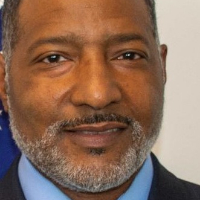
About Joseph
He uses clear, goal-focused methods that help people name what is happening and try different ways of responding. Sessions often include elements of Cognitive Behavioral Therapy, Motivational Interviewing, and client-centered conversation to identify unhelpful thought patterns and practical steps forward.
Dr. Bullock also brings mindfulness techniques and solution-focused planning into sessions when those fit a person’s needs. He has worked with people dealing with career strain, midlife questions, recovery from substance misuse, and the emotional effects of trauma and loss. He notes experience supporting men, first responders, veterans, and others facing role-related stress and life-change challenges.
His approach emphasizes collaboration. He works with each person to build an individualized plan, combining clear skills practice with discussion about goals and values. That plan may include coping strategies, relapse prevention ideas, and steps to rebuild relationships or self-regard.
People who want to begin are invited to use the online matching and scheduling process to set a first session. Session costs vary by location and use a subscription that can be canceled at any time.
Areas of expertise
Primary focus
Also works with
Additional focus areas
Therapeutic approaches
Experience
32+ years
Credentials
Maryland, Virginia
Languages
English
How his approaches translate to online work
Dr. Bullock draws on Cognitive Behavioral Therapy and Motivational Interviewing alongside client-centered conversation. CBT focuses on identifying unhelpful thoughts and testing new behaviors, which can help with anxiety, depression, and guilt-related thinking. Motivational Interviewing helps clarify a person’s reasons for change and builds small steps toward goals. Client-centered methods emphasize listening and collaborating on what matters most to the individual.Finding the right mix of methods is a shared process. He works with clients to choose approaches that match their goals, preferences, and daily life. That means plans often change over the first few sessions as the work becomes clearer and goals are refined.
The original biography does not specify which online session formats are offered, so confirm current options before booking. Online work can make it easier to fit sessions into busy schedules, allow shorter check-ins when needed, and reduce the need to travel. Therapists who offer virtual sessions often use practical exercises, thought records, and mindfulness practices adapted for remote meetings to keep momentum between sessions.
Frequently asked questions
What kinds of problems does he address?
He works with stress, anxiety, depression, addictions, anger, grief, relationship and intimacy issues, and concerns about guilt and shame.
How would he approach guilt or shame in sessions?
He uses clear, goal-focused methods such as Cognitive Behavioral Therapy and client-centered discussion to help people name thoughts and try different responses.
How long has he practiced?
He has 32 years of experience as a professional counselor.
What are his credentials and where does he practice?
He holds LCPC and LPC credentials and practices in Virginia.
Can I see him if I live outside the United States?
Sessions are offered in English and he does not accept international clients at this time.
What session formats are available?
The original biography does not list specific session formats; please confirm current session options before booking.
How much do sessions cost?
Cost varies with location and sessions use a subscription that can be canceled at any time.
How do I begin working with him?
Select the See online therapy options button, complete the short matching questionnaire, and schedule a first session.
Before you get in touch
The therapists listed here offer talking therapy online. A profile shows how someone describes their work; it cannot tell you how therapy will go, and nobody can promise that guilt or shame will ease by a certain time.
If you are thinking about harming yourself, or you feel unsafe, please contact a crisis line now. The numbers are at the foot of this page.