- Solution-Focused Therapy
- Guilt and shame
- Relationship concerns
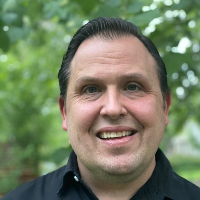
About Jonathan
Jonathan trained with a Master of Arts in Counseling and completed an internship at Capital Area Counseling in Austin. That placement exposed him to a wide range of life situations, including addiction, gender dysphoria, divorce, and age-related struggles. Those experiences shaped how he prefers to meet people in session.
He leans toward Solution-Focused Therapy in his day-to-day work. Sessions begin by clarifying the small differences a person wants to see. He asks about times when things felt better and the skills someone already used to manage stress or get through hard days.
Jonathan keeps sessions conversational and practical. He uses questions that point to past successes and practical steps to build on them. He will notice what is already working and ask how you might do more of it.
People who prefer a straightforward, goal-oriented conversation often find this approach fitting. The emphasis is on clear, manageable steps rather than lengthy analysis. To set up a first session, follow the site's process to answer a brief questionnaire and schedule a meeting.
Areas of expertise
Primary focus
Also works with
Additional focus areas
Therapeutic approaches
Experience
3+ years
Credentials
Texas
Languages
English
Solution-Focused work online and practical fit
Solution-Focused Therapy centers on clear goals and small, usable steps. It asks what difference you want to notice and then looks for past moments when that difference already showed up. This approach is often helpful for issues like stress, anxiety, relationship friction, and feelings of guilt or shame because it emphasizes doable changes rather than lengthy exploration.Jonathan pairs conversational questions with focused goals. Together a client and the therapist clarify outcomes, test what helps, and adjust the plan. Choosing the right method is part of the work; he will collaborate with each person to find which techniques and questions fit their needs and preferences.
The original biography does not list specific online session formats, so confirm available options before booking. Online sessions can make it easier to fit therapy into a workday, allow shorter check-ins when time is limited, or remove the need to travel. Licensed professionals use these practical benefits to help people keep therapy consistent with everyday life.
Frequently asked questions
What kinds of concerns does he help with?
He works with stress, anxiety, depression, self-esteem, relationship and intimacy issues, parenting and career questions, grief, and LGBT-related concerns. He also focuses on emptiness, self-love, and guilt and shame.
How does he approach feelings of guilt or shame?
He uses a solution-focused style that asks what small changes would make a difference and explores past moments when the person felt better. The work centers on practical steps informed by what has helped before.
What is his professional background?
He holds a Master of Arts in Counseling and completed an internship at Capital Area Counseling in Austin. He has three years of post-degree counseling experience.
Is he licensed and where does he practice?
He is an LPC practicing in Texas and is based in that state for his work.
Can I work with him if I live outside the United States?
Sessions are offered in English and he does not accept international clients at this time.
What session formats are offered?
The biography does not list specific session formats. Please confirm current session options before booking.
How are fees handled?
Cost varies with location and sessions use a subscription that can be canceled at any time.
What are the steps to begin working with him?
Select the See online therapy options button, complete a short matching questionnaire, and schedule a first session.
Before you get in touch
The therapists listed here offer talking therapy online. A profile shows how someone describes their work; it cannot tell you how therapy will go, and nobody can promise that guilt or shame will ease by a certain time.
If you are thinking about harming yourself, or you feel unsafe, please contact a crisis line now. The numbers are at the foot of this page.