- Acceptance and Commitment Therapy
- Cognitive Behavioral Therapy
- Strengths focused work
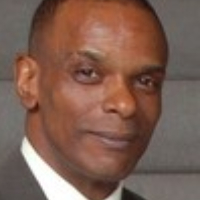
About John
He has worked in state government roles, community settings, and independent practice. He provides individual and group work for people dealing with substance use and related life stressors. His background includes both social work and alcohol and drug counseling experience over three decades.
His way of working is interactive and strengths-focused. He talks with clients about what is getting in the way now and points out existing strengths they can use. He mixes practical feedback with cognitive and behavioral ideas to help people change patterns that keep them stuck.
Sessions typically involve clear goals and exercises to practice between meetings. He uses elements from Acceptance and Commitment Therapy, Cognitive Behavioral Therapy, Dialectical Behavior Therapy, and Emotionally-Focused Therapy when they fit the client’s needs. Mindfulness techniques are also part of his approach.
People bringing guilt or shame about relationships, parenting, substance use, or past choices are within his stated focus areas. He helps people address those feelings alongside anger, grief, and stress so they can move forward with concrete steps and manageable practices.
Areas of expertise
Primary focus
Also works with
Additional focus areas
Therapeutic approaches
Experience
30+ years
Credentials
Connecticut
Languages
English
How his therapeutic approaches translate to online work
John uses Acceptance and Commitment Therapy (ACT) in sessions to help people clarify what matters most to them and take small actions aligned with those values. ACT can help when guilt or shame makes it hard to move forward by focusing on actions rather than trying to eliminate difficult feelings.He also draws on Cognitive Behavioral Therapy (CBT) to identify thinking and behavior patterns that keep problems going. CBT gives concrete skills and short exercises that can be practiced between sessions to change how people respond to triggers like shame, anxiety, or cravings.
Finding the right approach is part of the work. He will talk with each person about their goals, symptoms, and preferences, and suggest which techniques to try first. That decision is collaborative and can change as needs evolve.
Confirm the current session formats before booking since the biography does not list them explicitly. Many people find online sessions easier to fit around work, parenting, or travel. Others appreciate shorter check-ins or audio-only sessions when video is difficult. Talk with him during the matching process about what will fit your day-to-day life and how to structure appointments to make them practical.
Frequently asked questions
What kinds of concerns does he address?
He works with addictions, anxiety, depression, relationship and parenting concerns, trauma and abuse, grief, anger, and guilt and shame among other issues.
How would he approach feelings of guilt or shame?
He uses an interactive, strengths-focused style with practical feedback, combining cognitive and behavioral ideas to help people recognize patterns and try different responses.
What experience does he bring?
He has 30 years of combined experience in social work and substance use counseling across government roles and independent practice.
What are his credentials and location?
He is a CT LCSW practicing in Connecticut.
Which languages are supported?
Sessions are offered in English.
Can international clients work with him?
He does not accept international clients at this time.
How are costs handled?
Cost varies with location and services; sessions use a subscription that can be canceled at any time.
How do I begin working with him?
Use the See online therapy options button, complete the short matching questionnaire, and schedule a first session.
Before you get in touch
The therapists listed here offer talking therapy online. A profile shows how someone describes their work; it cannot tell you how therapy will go, and nobody can promise that guilt or shame will ease by a certain time.
If you are thinking about harming yourself, or you feel unsafe, please contact a crisis line now. The numbers are at the foot of this page.