- CBT methods
- Mindfulness work
- Narrative focus
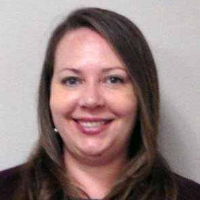
About Jacqueline
She uses practical, evidence-informed approaches to help people manage day-to-day problems. Sessions often cover communication skills, coping strategies for stress, and ways to handle career or parenting pressures. Jacqueline also helps people who are adjusting to health changes or caregiver responsibilities.
Her work draws on methods such as Cognitive Behavioral Therapy and mindfulness to make thoughts and reactions easier to notice and change. She also uses client-centered techniques to follow each person’s concerns and narrative therapy to look at the stories people tell about themselves.
Jacqueline describes therapy as collaborative. She listens for what matters most, then helps set short-term goals and small steps for change. Practical tools and straightforward reflections are common parts of sessions.
People who want to begin are asked to complete a short matching questionnaire and schedule a first session. Fees vary by location and use a subscription model that can be canceled at any time. Sessions are offered in English in Wisconsin and international clients are not accepted.
Areas of expertise
Primary focus
Also works with
Additional focus areas
Therapeutic approaches
Experience
16+ years
Credentials
Wisconsin
Languages
English
How her approaches translate to online work
Client-Centered Therapy focuses on listening and helping clients identify what matters most to them. Online sessions can use that style to reflect concerns, set priorities, and plan small steps for change. Cognitive Behavioral Therapy (CBT) looks at how thoughts, feelings, and actions interact; online CBT often includes homework, thought records, and brief behavior experiments to be tried between sessions. Mindfulness Therapy teaches simple attention and breathing practices to reduce reactivity and increase awareness, which can be practiced during or between remote appointments.Finding the right approach is part of the work together. Jacqueline will discuss goals, preferences, and what has helped in the past, then suggest which methods to try first. She adjusts strategies with the client over time based on what is useful and doable.
The original biography does not list specific session formats, so confirm current online options before booking. Many people find remote sessions help fit therapy into busy days, allow shorter check-ins when needed, or remove travel time. Online work can make it easier to continue sessions during life transitions while keeping a focus on practical skills and coping strategies.
Frequently asked questions
What concerns does she address?
She works with anxiety, stress, relationship issues, addiction, grief, parenting strain, career pressures, and lists guilt and shame among her areas of focus.
How does she approach therapy?
She combines client-centered listening with practical techniques from CBT and mindfulness, plus narrative work to examine personal stories.
How many years has she practiced?
She has 16 years of experience working with adults on emotional and life transition challenges.
What are her credentials and where is she based?
She is an LMFT (Licensed Marriage and Family Therapist) licensed in Wisconsin and practices in that state.
Does she offer sessions in other languages or internationally?
Sessions are offered in English and she does not accept international clients at this time.
What session formats are available?
Please confirm current session options before booking, as the biography does not list specific session formats.
How much do her sessions cost?
Costs vary by location and sessions use a subscription that can be canceled at any time.
How do I begin working with her?
Select the See online therapy options button, complete a short matching questionnaire, and schedule a first session.
Before you get in touch
The therapists listed here offer talking therapy online. A profile shows how someone describes their work; it cannot tell you how therapy will go, and nobody can promise that guilt or shame will ease by a certain time.
If you are thinking about harming yourself, or you feel unsafe, please contact a crisis line now. The numbers are at the foot of this page.