- Stress management
- Eating concerns
- Guilt and shame
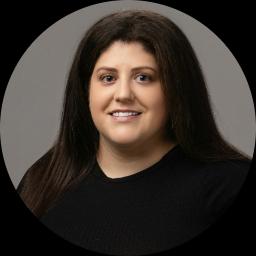
About Jaclyn
She listens for where guilt and shame appear in daily life and how those feelings affect decision making, relationships, and self-image. She helps people talk through patterns that keep them stuck, including codependency, impulsivity, and isolation. Conversations include practical steps as well as emotional understanding.
Jaclyn has worked across settings where substance use and eating-related problems come up often. That experience informs how she addresses co-occurring issues like drug and alcohol addiction alongside mood concerns. She also pays attention to attachment patterns and communication problems that influence how people connect with others.
When faith, family, or past choices create long-lasting shame, Jaclyn helps clients name those specific moments and their effects. She uses clear, everyday language and encourages small, manageable changes. Sessions move at a pace the client can handle.
People who choose her often want straightforward help with behavior changes and with sorting through difficult feelings. To begin, she asks about goals and current challenges, then works together to plan next steps and measure progress.
Areas of expertise
Primary focus
Additional focus areas
Experience
12+ years
Credentials
New Jersey, Florida, Ohio
Languages
English
How evidence-based techniques are used in online sessions
Jaclyn uses evidence-based therapeutic techniques to guide sessions in simple, practical ways. For example, cognitive-focused approaches help people notice and test unhelpful thoughts that drive shame and anxiety, and then try different behaviors to see what changes. Behavioral methods focus on small, doable steps to change patterns such as impulsivity, avoidance, or unhelpful eating behaviors.Finding the right approach is a collaborative process. She will work with each person to identify goals and preferences, then adjust techniques based on what is most helpful. Clients and the therapist review progress and make changes together rather than relying on a single fixed method.
Practical benefits of meeting online include fitting sessions into a busy week and removing travel time so therapy can be scheduled between work or family obligations. Because session formats are not listed in the biography, confirm which options are available before booking. Licensed professionals can offer different ways to meet, and clarifying the format ahead of time helps align sessions with everyday life demands.
Frequently asked questions
What kinds of concerns does she address?
She works with stress, anxiety, addictions, eating concerns, and depression, and also focuses on related issues like codependency, body image, and guilt and shame.
How would she approach feelings of guilt or shame?
She helps people identify where guilt or shame shows up and talks through patterns that keep those feelings active, using practical steps and emotional exploration.
What is her professional background?
She has 12 years of experience working in mental health settings and has supported clients with substance use and eating-related difficulties alongside mood concerns.
What are her credentials and location?
She holds the credentials LCSW and LISW with licensure in New Jersey and practices from that state.
Which languages are sessions offered in?
Sessions are offered in English.
Can people outside the United States work with her?
International clients are not currently accepted.
How are sessions paid for and what does it cost?
Cost varies with location; sessions use a subscription model that can be canceled at any time.
How do I begin with her?
Choose the See online therapy options button, complete a short matching questionnaire, and schedule a first session.
Before you get in touch
The therapists listed here offer talking therapy online. A profile shows how someone describes their work; it cannot tell you how therapy will go, and nobody can promise that guilt or shame will ease by a certain time.
If you are thinking about harming yourself, or you feel unsafe, please contact a crisis line now. The numbers are at the foot of this page.