- CBT focused
- Person-centered elements
- Existential perspectives
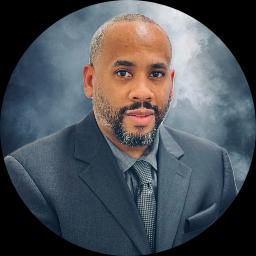
About Hershel
Hershel uses Cognitive Behavioral Therapy as his main approach while including Client-Centered and Existential elements. In practice this means sessions often focus on identifying unhelpful thoughts and testing them against real life. He also listens for personal values and meaning when people raise questions about identity or purpose.
His background includes a Master of Arts in Counseling from the University of Detroit Mercy and a Bachelor of Science in Psychology from Wayne State University. He has provided case management and therapy in community mental health and substance use settings, and he currently works with an Assertive Community Treatment program.
Past placements include a practicum at the University of Detroit Mercy Counseling Clinic and a 600-hour internship at the John D. Dingell Department of Veterans Affairs. Those roles involved assessment, progress notes, and developing person-centered plans. Hershel’s clinical work has involved individual, group, and family contacts along with crisis-related assessments.
People who come to him will find practical conversation about feelings and behavior. Sessions aim to clarify what is happening, identify small steps to try, and work through barriers that keep someone stuck.
Areas of expertise
Primary focus
Additional focus areas
Therapeutic approaches
Experience
22+ years
Credentials
Michigan
Languages
English
How his approaches translate to online work
Hershel frequently blends Cognitive Behavioral Therapy and Client-Centered Therapy when meeting someone about stress, anxiety, relationships, or guilt and shame. CBT involves identifying unhelpful thoughts and testing different behaviors to see what changes. Client-Centered work focuses on listening carefully and helping a person clarify their own goals and values.Finding the right mix of methods is part of the work together. He will collaborate with each person to decide which approaches fit their goals and preferences. That means checking in about what helps, adjusting techniques, and pacing sessions to match real-life pressures.
The original biography does not list specific online or phone formats, so confirm current session options before booking. In general, online sessions can make it easier to fit counseling into a busy schedule, shorten travel time, and allow for briefer check-ins when needed. Therapists and licensed professionals often adapt exercises and worksheets to work well in a remote visit so people can practice between meetings.
Frequently asked questions
What kinds of concerns does he help with?
He works with stress, anxiety, relationship and family concerns, low self-esteem, and depression. Additional focuses include divorce and separation, forgiveness, and guilt and shame.
How would he describe his therapeutic style?
He primarily uses Cognitive Behavioral Therapy with Client-Centered and Existential elements. That means conversations about thoughts and behaviors alongside attention to values and meaning.
How much experience does he have?
He has 22 years of clinical experience in counseling and community mental health settings. His work has included assessment, case management, and therapy.
What are his credentials and where is he based?
He is a Licensed Professional Counselor (LPC) in Michigan. His education includes a Master of Arts in Counseling and a Bachelor of Science in Psychology.
Can I work with him if I live outside the United States?
Sessions are offered in English and international clients are not currently accepted. Work is provided to people located in Michigan.
What session formats does he offer?
The original biography does not list specific session formats. Please confirm current session options before booking.
How are fees handled?
Cost varies with location and sessions use a subscription that can be canceled at any time. Exact fees depend on the chosen plan and location.
How do I begin working with him?
Select the See online therapy options button, complete a short matching questionnaire, and schedule a first session. That starts the intake and scheduling process.
Before you get in touch
The therapists listed here offer talking therapy online. A profile shows how someone describes their work; it cannot tell you how therapy will go, and nobody can promise that guilt or shame will ease by a certain time.
If you are thinking about harming yourself, or you feel unsafe, please contact a crisis line now. The numbers are at the foot of this page.