- Relationship and intimacy
- Guilt and shame work
- English and Spanish
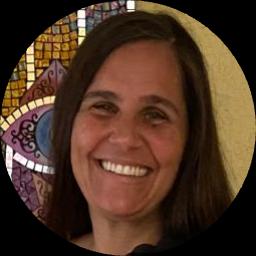
About Frances
She draws on evidence-based therapeutic techniques and on perspectives from spiritual psychology and depth psychology. Sessions tend to combine practical conversation with attention to patterns that repeat in relationships and inner life. She also brings experience teaching college courses and leading retreats and workshops.
Dr. Yahia has written books about the subconscious, the inner child, family relationships, and romantic partnerships. Writing and teaching inform how she explains ideas in session, often translating complex concepts into concrete steps someone can try between meetings.
Her approach is interactive and reflective. She helps people notice repeated patterns, consider where guilt or shame began, and experiment with small changes in how they relate to themselves and others. Sessions explore feelings, beliefs, and behaviors without promising a fixed outcome.
Work is offered in English and Spanish. She practices in Florida and is a Florida LMHC. Before booking, confirm the current session formats and scheduling details through the therapy platform.
Areas of expertise
Primary focus
Additional focus areas
Experience
15+ years
Credentials
Florida
Languages
English, Spanish
How therapeutic methods translate to online sessions
Dr. Yahia describes her practice as informed by evidence-based therapeutic techniques alongside spiritual and depth psychology perspectives. One common approach she uses is exploring attachment patterns - looking at early relationship models and how they shape current trust and intimacy. This helps when people face repeated relationship conflicts or fear of abandonment.An additional focus is on inner child and subconscious work, which involves identifying early messages that feed shame or low self-worth and testing gentler, more realistic beliefs in daily life. That kind of work often pairs reflection with concrete exercises to try between sessions.
Finding the right approach is part of the therapy process. She collaborates with clients to choose methods that match their goals and preferences, adjusting pace and focus as they learn what helps. Conversations and exercises are adapted so clients can practice new responses in real situations.
If you are considering online sessions, confirm the current session formats before booking. The main practical benefits of remote sessions are fitting work into busy days, reducing travel time, and making it easier to follow up between meetings. Depending on the confirmed options, sessions can be scheduled to suit work breaks or quieter parts of the day.
Frequently asked questions
What concerns does she address related to guilt and shame?
She works with guilt and shame connected to relationships, family history, body image, and life transitions.
How would she approach feelings of guilt from the past?
She uses evidence-based techniques alongside ideas from spiritual and depth psychology to trace where those feelings started and how they affect current behavior.
How much clinical experience does she have?
She has 15 years of experience in independent practice and has also taught college courses in depth psychology.
What are her credentials and where does she practice?
She holds a PhD in mental health and is a Florida LMHC practicing in Florida.
Can sessions be held in Spanish?
Yes. Sessions are offered in English and Spanish.
Does she work with international clients?
International clients are not currently accepted.
How are sessions scheduled and paid for?
Cost varies with location and sessions use a subscription that can be canceled at any time.
What are the steps to begin working with her?
Use the See online therapy options button, complete a short matching questionnaire, and then schedule a first session.
Before you get in touch
The therapists listed here offer talking therapy online. A profile shows how someone describes their work; it cannot tell you how therapy will go, and nobody can promise that guilt or shame will ease by a certain time.
If you are thinking about harming yourself, or you feel unsafe, please contact a crisis line now. The numbers are at the foot of this page.