- CBT strategies
- Mindfulness practice
- Solution-focused work
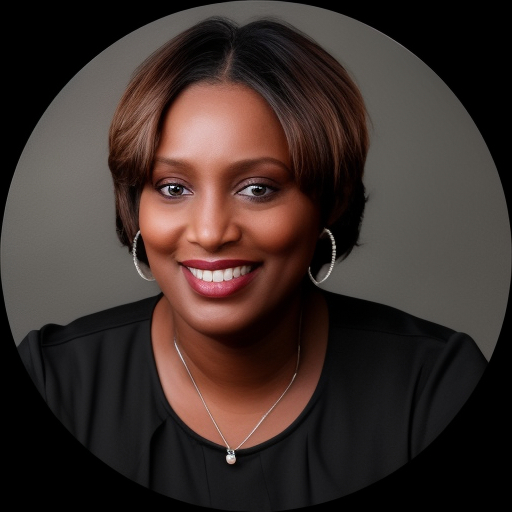
About Fameika
Her background includes work with active duty military and veterans and with people managing mood disorders and substance use. Fameika draws on direct, practical methods to help clients name the problems they face and set clear goals for change.
In sessions she uses approaches rooted in cognitive-behavioral ideas and solution-focused techniques alongside trauma-focused methods and mindfulness practices. That means conversations often include looking at thoughts and behaviors that keep problems going, practicing new ways of responding, and using short, goal-oriented exercises between meetings.
She describes her style as interactive and focused on understanding who a person is and what they need. Together with each client she aims to build a plan that addresses specific concerns such as anger, grief, coping with life changes, or feelings of guilt and shame.
Practical matters like career stress, caregiver strain, blended family challenges, and recovery from domestic violence or abuse are also within her scope. People who want straightforward, skills-based work and clear steps to follow may find this approach fits their needs.
Areas of expertise
Primary focus
Also works with
Additional focus areas
Therapeutic approaches
Experience
14+ years
Credentials
Mississippi
Languages
English
How her approaches translate to online work
Fameika commonly uses cognitive-behavioral techniques and trauma-focused methods in her practice. Cognitive-behavioral work focuses on identifying unhelpful thoughts and changing behaviors that keep problems going, which can help with anxiety, depression, and stress. Trauma-focused therapy involves careful, structured work on traumatic memories and their effects, useful for people struggling after abuse, violence, or other traumatic events.She also uses solution-focused and mindfulness strategies to build small, achievable steps and moment-to-moment awareness. Finding the right mix of methods is part of the process. She works collaboratively with each person to pick what fits their goals and preferences, and adjusts the plan as needed based on progress and feedback.
The practical benefits of doing therapy remotely are that sessions can fit more easily into a busy week and may cut down travel time. Because the biography does not list specific session formats, confirm available options before booking. Many people find that remote meetings make it simpler to keep consistent check-ins, practice skills between sessions, and fold therapy into daily life without large schedule disruptions.
Frequently asked questions
What concerns does she address?
She works with stress, anxiety, addiction, trauma and abuse, depression, relationship issues, grief, sleep problems, self-esteem, and related areas like caregiver stress and guilt and shame.
How does she approach therapy?
Her approach blends cognitive-behavioral techniques, mindfulness, solution-focused methods, and trauma-focused work to set goals and practice new skills between sessions.
How much clinical experience does she have?
She has 14 years of professional experience working in mental health settings with a range of concerns including mood disorders and substance use.
What are her credentials and where is she based?
She holds an MS and is a Licensed Clinical Social Worker (LCSW) practicing in Mississippi.
Does she offer sessions in other languages or to international clients?
Sessions are offered in English and she is not accepting international clients.
What session formats are available?
Please confirm current session options before booking, as the biography does not specify which formats are used.
How are fees handled?
Cost varies with location and sessions use a subscription model that can be canceled at any time.
How do I begin working with her?
Select the See online therapy options button, complete the short matching questionnaire, and schedule a first session.
Before you get in touch
The therapists listed here offer talking therapy online. A profile shows how someone describes their work; it cannot tell you how therapy will go, and nobody can promise that guilt or shame will ease by a certain time.
If you are thinking about harming yourself, or you feel unsafe, please contact a crisis line now. The numbers are at the foot of this page.