- Client-Centered Therapy
- Cognitive Behavioral Therapy
- Mindfulness practices
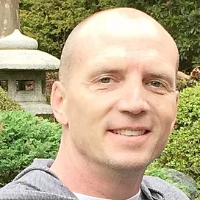
About Eric
He began in psychology and addiction studies at Nevada State College, then completed a master of social work at the University of New England. That educational path led to years working in substance use care and general mental health settings across different populations.
In sessions he uses plain, practical conversation. He listens to the facts of what happened and how it shows up now. He will help people name patterns, notice how thoughts and behaviors keep problems going, and try new ways of responding.
His toolkit draws on client-centered methods, cognitive behavioral techniques, mindfulness practices, motivational interviewing, and solution-focused work. That mix is used to set clear goals, build coping skills, and make step-by-step changes that fit day-to-day life.
People often bring him concerns about grief, intimacy, depression, anxiety, and the fallout from trauma or substance use. He also notes work with adoption and foster care, HIV/AIDS related issues, and problems linked to impulsivity or antisocial behavior. He describes the work as interactive and goal oriented.
Areas of expertise
Primary focus
Also works with
Additional focus areas
Therapeutic approaches
Experience
13+ years
Credentials
Nevada, Nebraska, Iowa
Languages
English
How his approaches translate to remote sessions
Client-Centered Therapy focuses on listening and reflecting back what matters to the person. In practice this means sessions where the therapist follows the client's lead to clarify goals and decide what to work on next.Cognitive Behavioral Therapy (CBT) looks at the links between thoughts, feelings, and actions. It uses concrete exercises and experiments to test unhelpful thinking and build different habits, which can help with anxiety, depression, guilt, and shame.
Mindfulness Therapy teaches noticing present-moment experience without judgment. Short practices and grounding techniques are used to reduce reactivity and create space for different choices.
Finding the right approach is part of the work. He will discuss options and help choose methods based on the client's goals, preferences, and everyday life demands. That conversation is collaborative and may shift as needs change.
Confirm the exact session formats before booking because the biography does not list them. Many people find remote sessions help fit therapy into a busy week, allow quieter check-ins during a work break, or make it easier to use shorter phone or video visits when time or bandwidth is limited.
Frequently asked questions
What kinds of concerns does he address?
He works with mood disorders, addiction, trauma and abuse, relationship and parenting stress, grief, and issues like guilt and shame.
How would he approach feelings of guilt or shame?
He uses conversational, goal-focused methods to name how guilt or shame shows up, then applies cognitive and mindfulness techniques to shift unhelpful patterns.
What is his clinical background?
He has 13 years of experience, including several years in substance abuse therapy and general mental health work.
Which credentials and location are listed?
He holds LISW and LIMHP credentials and practices from Nevada.
Can sessions be conducted in other languages or internationally?
Sessions are offered in English and he is not currently accepting international clients.
What session formats does he offer?
Confirm current session options before booking, as the biography does not specify which formats are used.
How does payment work and what does it cost?
Cost varies with location; sessions use a subscription that can be canceled at any time.
How do I get started with him?
Select the See online therapy options button, complete the short matching questionnaire, and schedule a first session.
Before you get in touch
The therapists listed here offer talking therapy online. A profile shows how someone describes their work; it cannot tell you how therapy will go, and nobody can promise that guilt or shame will ease by a certain time.
If you are thinking about harming yourself, or you feel unsafe, please contact a crisis line now. The numbers are at the foot of this page.