- ACT
- CBT
- Solution focused
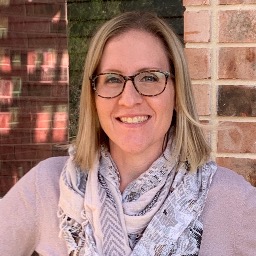
About Elizabeth
She has worked in both inpatient and outpatient settings and with hospitals and clinics that serve veterans and civilians. That background means she has experience with post-traumatic stress, sexual assault and abuse, and the complexities that come with mood disorders and substance use history.
In sessions she uses practical approaches. Cognitive Behavioral Therapy helps people notice and change unhelpful thoughts and behaviors. Acceptance and Commitment Therapy supports identifying values and taking manageable steps toward them. Solution-Focused Therapy looks for small changes that can make a difference now.
She aims for straightforward collaboration. Clients help set goals and take an active role in planning treatment. Sessions focus on skills and steps that can reduce tension, improve coping, and address feelings of shame or guilt linked to relationships, faith, or past events.
Elizabeth often works with people who face career stress, compassion fatigue, anger, intimacy-related concerns, ADHD, or the fallout from infidelity. She also sees issues that touch military service and veteran life. Her approach is practical, direct, and focused on what can change in daily life.
Areas of expertise
Primary focus
Also works with
Additional focus areas
Therapeutic approaches
Experience
15+ years
Credentials
Texas
Languages
English
Online sessions and therapeutic approaches
Acceptance and Commitment Therapy (ACT) helps clients clarify what matters to them and take small, consistent steps in that direction. It focuses on values and practical action when painful thoughts or feelings get in the way.Cognitive Behavioral Therapy (CBT) looks at the link between thoughts, feelings, and behaviors. It teaches concrete skills for noticing unhelpful thinking patterns and trying different responses to reduce distress and improve daily functioning.
Finding the right approach is part of the work. The therapist will talk with each person about goals, symptoms, and preferences and then suggest ways to proceed. That collaboration helps shape which methods are used and how sessions feel week to week.
Specific session formats are not listed in the supplied biography, so confirm available options before booking. Many people find remote sessions fit into work breaks, reduce travel time, or make it easier to return for regular check-ins. Licensed professionals can adapt ACT and CBT techniques to an online setting to focus on skill practice, values-based actions, and managing shame or trauma-related symptoms without promising a particular format.
Frequently asked questions
What kinds of problems does she address?
She works with stress, anxiety, depression, bipolar mood issues, trauma and abuse, and related concerns like grief, relationship strain, guilt and shame.
How does she approach guilt and shame in therapy?
She uses practical methods such as Acceptance and Commitment Therapy and Cognitive Behavioral Therapy to help clients notice painful thoughts, clarify values, and take small steps forward.
How much clinical experience does she have?
She has 15 years of clinical experience working in inpatient and outpatient settings and with hospitals and clinics that serve veterans and civilians.
What are her credentials and where is she based?
She is a Licensed Clinical Social Worker (LCSW) licensed in Texas and practices from that state.
Can sessions be conducted in other languages?
Sessions are offered in English.
Does she work with clients outside the United States?
She does not accept international clients at this time.
How are sessions structured and what formats are available?
Confirm current session options before booking, as specific formats are not listed in the biography.
How are fees handled and how do I begin?
Cost varies by location and sessions use a subscription that can be canceled at any time. To get started, select the See online therapy options button, complete a short matching questionnaire, and schedule a first session.
Before you get in touch
The therapists listed here offer talking therapy online. A profile shows how someone describes their work; it cannot tell you how therapy will go, and nobody can promise that guilt or shame will ease by a certain time.
If you are thinking about harming yourself, or you feel unsafe, please contact a crisis line now. The numbers are at the foot of this page.