- Communication problems
- Guilt and shame
- Parenting issues
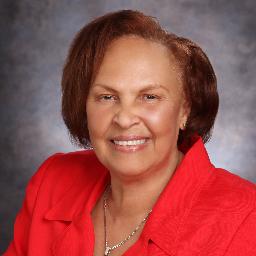
About Eileen
Her approach is straightforward and conversational. She aims to create an open environment where clients can talk about thoughts and feelings without fear of judgment. Sessions move at a practical pace so people can name what matters most and begin making small changes that fit daily life.
Eileen draws on evidence-based therapeutic techniques to address communication problems, forgiveness, life purpose, and coping with major life changes. She also supports people dealing with multicultural concerns, LGBT issues, seasonal affective disorder, social anxiety, and veteran or armed forces related issues. Work focuses on clear goals and steps rather than abstract theory.
People who prefer a calm, direct style often find this approach helpful. She encourages honest talk about guilt and shame, and explores how those feelings affect relationships and behavior. The emphasis is on useful tools people can try between sessions.
Her practice is based in California and sessions are conducted in English. When someone is ready to begin, the first step is to complete a short matching questionnaire and schedule an initial session.
Areas of expertise
Primary focus
Also works with
Additional focus areas
Experience
20+ years
Credentials
California
Languages
English
Therapeutic approaches and online sessions
Eileen uses evidence-based therapeutic techniques to guide sessions. One common approach she relies on helps people identify unhelpful thinking patterns and test new ways of thinking and acting. This method is useful for anxiety, guilt, shame, and mood concerns because it focuses on concrete shifts in thinking and behavior.Another common strand in her work helps people improve communication and problem-solving within relationships. This approach looks at interaction patterns, clarifies needs, and practices new ways of talking so conflicts feel more manageable and less reactive.
Finding the right approach is part of the work. She discusses options with each person and adjusts methods based on their goals, needs, and preferences. That collaborative process helps decide which techniques to emphasize in sessions.
If you plan to use online therapy, confirm the specific session formats before booking because the biography does not list them. Many people choose online sessions because they fit into busy lives, reduce travel time, and make it easier to keep regular appointments. Some formats also let people have shorter check-ins or avoid being on camera when that helps them stay focused. Licensed professionals can often tailor session length and frequency to practical needs rather than a fixed schedule.
Frequently asked questions
What kinds of concerns does she address?
She works with stress, anxiety, relationship and family concerns, parenting pressures, depression, trauma and abuse, grief, intimacy issues, sleep problems, anger, self-esteem, bipolar concerns, and coping with life changes.
How would she describe her therapeutic style?
Her style is conversational and practical. She focuses on clear goals, open dialogue, and steps clients can try between sessions.
How much experience does she have?
She has 20 years of professional experience as a clinician.
What are her credentials and where is she based?
She is a California LMFT, which stands for Licensed Marriage and Family Therapist, and her practice is located in California.
Which languages are supported?
Sessions are offered in English.
Can people outside the US work with her?
She does not accept international clients at this time.
What session formats are available?
The original biography does not list specific session formats. Please confirm current session options before booking.
How do I begin working with her?
Select the See online therapy options button, complete a short matching questionnaire, and schedule a first session.
Before you get in touch
The therapists listed here offer talking therapy online. A profile shows how someone describes their work; it cannot tell you how therapy will go, and nobody can promise that guilt or shame will ease by a certain time.
If you are thinking about harming yourself, or you feel unsafe, please contact a crisis line now. The numbers are at the foot of this page.