- Client-centered approach
- Cognitive behavioral tools
- Mindfulness practice
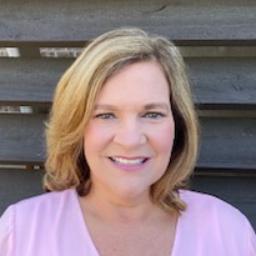
About Donda
Goodson trained at Auburn University for her undergraduate degree in vocational rehabilitation and completed a master’s degree in rehabilitation counseling at the University of Alabama at Birmingham. Much of her clinical work has been in community mental health agencies and in independent practice. She has worked with people across the lifespan and with a range of issues from trauma and stress-related disorders to substance use and obsessive-compulsive concerns.
In sessions she uses client-centered methods and cognitive behavioral tools. That means the focus is on what feels most pressing to the client and on concrete steps to change patterns that cause distress. She also draws on acceptance and commitment principles, dialectical behavior skills, and mindfulness when these fit the person’s goals.
Goodson describes therapy as a practical process of noticing thoughts and behaviors, testing small changes, and building skills for handling difficult feelings. She has experience supporting parents who feel frustrated and people working to maintain sobriety or manage mood swings.
Her background includes work with autism spectrum issues, adoption and foster care challenges, chronic illness and pain, codependency, communication problems, first responder issues, and grief after loss. People looking to address guilt or shame related to family, faith, or relationships may find her approach direct and focused on real-life solutions.
Areas of expertise
Also works with
Additional focus areas
Therapeutic approaches
Experience
32+ years
Credentials
Alabama, Florida, Virginia
Languages
English
How her approaches translate to online work
Acceptance and Commitment Therapy (ACT) focuses on noticing painful thoughts and deciding what matters most. It helps people move toward values-based action even when guilt or shame is present. Cognitive Behavioral Therapy (CBT) breaks down unhelpful thoughts and behaviors into small patterns you can test and change, which is useful for anxiety, depression, and shame-related thinking. Client-Centered Therapy prioritizes the person's perspective and uses listening and reflection to clarify goals and choices.Finding the right approach is part of the work. The therapist will collaborate with each person to choose which methods to try first. That may mean combining ACT, CBT, and client-centered listening over a few sessions while tracking what helps with specific problems like intrusive guilt or recurring shame.
The biography does not list specific session formats, so confirm current options before booking. Online sessions can make it easier to fit therapy into busy days, reduce travel time, and allow people to meet during a lunch break or from another convenient spot. Different methods suit different formats - for example, CBT work can be done in focused, shorter check-ins, while ACT and client-centered conversations may unfold over longer sessions. The emphasis is on practical work that fits everyday life and on deciding together which approach and session rhythm will be most helpful.
Frequently asked questions
What kinds of problems does she address?
She works with stress, anxiety, trauma and abuse, grief, self-esteem, depression, addictions, parenting strain, anger, bipolar concerns, ADHD, and related family issues.
How does she approach feelings of guilt or shame?
She uses client-centered conversations alongside cognitive behavioral techniques to identify painful thoughts and try small, practical changes in how people respond to them.
How much experience does she have?
She has 32 years of clinical experience working in mental health agencies and independent practice.
What are her credentials and where is she based?
She holds LMHC and LPC credentials and practices in Alabama with licensure recorded as FL LMHC and AL LPC in the provided details.
Does she work in languages other than English?
Sessions are offered in English.
Can people outside the United States work with her?
International clients are not currently accepted.
What session formats are available?
The original biography does not specify session formats; please confirm current session options before booking.
How are fees handled and how do I start?
Cost varies by location and sessions use a subscription that can be canceled at any time. To begin, select the See online therapy options button, complete a short matching questionnaire, and schedule a first session.
Before you get in touch
The therapists listed here offer talking therapy online. A profile shows how someone describes their work; it cannot tell you how therapy will go, and nobody can promise that guilt or shame will ease by a certain time.
If you are thinking about harming yourself, or you feel unsafe, please contact a crisis line now. The numbers are at the foot of this page.