- Guilt and shame
- CBT and DBT skills
- Mindfulness practice
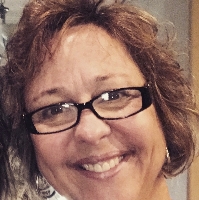
About Diane
Diane listens directly and honestly. She uses straightforward conversation to help people name what is happening and to decide what to try next. Sessions often include practical skills and the chance to talk through painful thoughts and feelings without judgment.
Her background blends several approaches. Diane draws on client-centered work to focus on each person’s experience, Cognitive Behavioral Therapy to look at thoughts and behaviors that keep problems going, and Dialectical Behavior Therapy skills for managing intense emotions. She also uses Emotionally-Focused Therapy ideas when relationship patterns are central, and mindfulness practices to help calm the body and mind.
People come to Diane for help with specific life problems and with longer-standing patterns. She helps parents with the strain of parenting, supports those coping with caregiving and aging concerns, and assists people working through adoption or attachment questions. She also addresses career stress, money worries, and compassion fatigue.
Diane offers sessions in English and accepts international clients. Her approach is practical and conversational. To begin, people complete a short matching questionnaire and schedule a first session to see how the work fits their needs.
Areas of expertise
Primary focus
Also works with
Additional focus areas
Therapeutic approaches
Experience
28+ years
Credentials
Wisconsin
Languages
English
How Diane uses therapy approaches in online sessions
Client-Centered Therapy focuses on the person’s experience and aims to make room for honest talk. It helps when someone needs to feel heard and to sort out their own priorities for change.Cognitive Behavioral Therapy (CBT) looks at the thoughts and behaviors that keep problems going. It is useful for anxiety, depression, and for addressing guilty or shame-based thinking by testing unhelpful beliefs and trying new behaviors.
Dialectical Behavior Therapy (DBT) offers concrete skills for managing intense emotions and improving distress tolerance. These skills can help with anger, overwhelming shame, and moments when regulation feels out of reach.
Finding the right mix of approaches is part of the work. Diane will collaborate with the client to decide which methods to use based on the issues, goals, and what feels most useful in session. That decision can change over time as needs shift.
Session formats are not specified here, so confirm current options before booking. Many people find online sessions make fitting therapy into a weekday or work break easier, or allow for shorter check-ins when needed. The focus is on making the work practical and usable in everyday life rather than on any single delivery method.
Frequently asked questions
What kinds of problems does she work with?
Diane works with stress, anxiety, depression, relationship issues, trauma and abuse, grief, parenting concerns, anger, self-esteem, and guilt and shame among other issues.
How would she describe her therapeutic style?
Her style is direct and conversational. She combines practical skills work with space to talk through difficult feelings.
How much experience does she have?
She has 28 years of clinical experience as an LCSW practicing in Wisconsin.
Where is she licensed and practicing?
She is a Licensed Clinical Social Worker (LCSW) in Wisconsin.
Can sessions be conducted in languages other than English?
Sessions are offered in English.
Are international clients supported?
Yes, she accepts international clients.
How does payment and cost work?
Cost varies with location and sessions use a subscription that can be canceled at any time.
What are the first steps to begin working together?
Start by selecting the See online therapy options button, completing a short matching questionnaire, and scheduling a first session.
Before you get in touch
The therapists listed here offer talking therapy online. A profile shows how someone describes their work; it cannot tell you how therapy will go, and nobody can promise that guilt or shame will ease by a certain time.
If you are thinking about harming yourself, or you feel unsafe, please contact a crisis line now. The numbers are at the foot of this page.