- ACT and mindfulness
- CBT methods
- Motivational interviewing
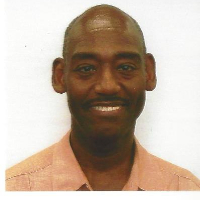
About Derek
He has worked in inpatient psychiatric hospitals, outpatient clinics, and independent practice. That breadth of settings means he is used to short-term goals and longer-term therapy. He uses several established methods to help people sort through what they are feeling and decide on next steps.
In sessions he combines therapies that focus on thoughts, values, and present-moment awareness. That can look like noticing unhelpful thinking patterns, identifying what matters most, and learning small skills to steady attention. He also uses motivational strategies to support change when substance use or avoidance is present.
He has experience supporting adults facing life transitions, caregiving strain, midlife concerns, and issues tied to military or first responder backgrounds. He also lists aging and geriatric issues, blended family matters, and forgiveness work among his focus areas. These are presented as topics he commonly addresses rather than promises about outcomes.
People who meet with him can expect a straightforward, respectful approach that pays attention to cultural background and personal history. The first sessions typically involve describing what feels most pressing, clarifying goals, and choosing a way of working that fits the person's preferences and daily life. If you want to proceed, follow the site's matching steps to schedule a first session.
Areas of expertise
Primary focus
Also works with
Additional focus areas
Therapeutic approaches
Experience
40+ years
Credentials
Florida
Languages
English
Therapeutic approaches and how they work online
Acceptance and Commitment Therapy (ACT) focuses on clarifying what matters to a person and taking small actions that align with those values. It is often used when guilt, shame, or avoidance keep someone stuck and helps shift attention toward meaningful choices rather than only changing thoughts.Cognitive Behavioral Therapy (CBT) looks at patterns of thinking and behavior that maintain distress. It involves noticing unhelpful thoughts, testing them, and practicing alternative responses that reduce anxiety or depressive feelings over time.
Finding the right approach is part of the work. The therapist will collaborate to figure out which methods fit a person's goals, daily life, and preferences rather than applying a single technique. Sessions can adjust as needs change, combining skills practice, values work, and motivational strategies as appropriate.
The original profile does not list specific session formats, so confirm the available options before booking. Many people find that remote sessions make it easier to fit therapy into a busy schedule, allow shorter check-ins when needed, and reduce travel time. Others prefer longer blocks for deeper work. Discuss format and pacing when you schedule the first appointment so sessions can be arranged to fit your routine.
Frequently asked questions
What kinds of problems does he help with?
He works with stress, anxiety, depression, addictions, trauma and abuse, grief, relationship and intimacy issues, and related concerns such as guilt and shame.
How does he approach guilt and shame in therapy?
He uses approaches that address thoughts, values, and present awareness to help people notice unhelpful thinking and consider different responses to shame or guilt.
What is his background and experience?
He has 40 years of clinical experience across inpatient psychiatric hospitals, outpatient clinics, and independent practice settings.
Is he a licensed psychologist and where does he practice?
He is listed as FL Psychologist PY7409 and practices in Florida.
Which languages are supported and can international clients work with him?
Sessions are offered in English and he accepts international clients.
What session formats are available?
The original biography does not specify session formats; confirm current session options before booking.
How are fees handled?
Cost varies with location and sessions use a subscription that can be canceled at any time.
What should I do to begin working with him?
Select the See online therapy options button, complete a short matching questionnaire, and schedule a first session.
Before you get in touch
The therapists listed here offer talking therapy online. A profile shows how someone describes their work; it cannot tell you how therapy will go, and nobody can promise that guilt or shame will ease by a certain time.
If you are thinking about harming yourself, or you feel unsafe, please contact a crisis line now. The numbers are at the foot of this page.