- Client-Centered Therapy
- CBT strategies
- Solution-Focused work
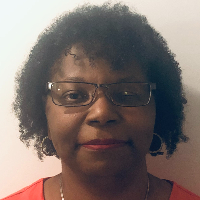
About Deboraha
She trained to combine practical methods with a person-centered approach. Sessions typically begin by naming what matters most to the client and setting clear, achievable goals. She uses tools from Cognitive Behavioral Therapy to look at thoughts and behaviors, and draws on solution-focused techniques to identify small changes that can make daily life easier.
Her background includes individual and group work in outpatient settings and many years of experience with relationship concerns. She describes working with adults who are coping with chronic illness, caregiving stress, divorce and separation, and issues that can follow military service. Her approach is straightforward and goal-oriented; the work aims to clarify concerns and build manageable steps forward.
Deboraha emphasizes collaboration in sessions. She helps people define short-term goals, test practical strategies, and track which changes help. The focus is on what clients want to change and how to get there in clear steps.
Sessions are offered in English and she accepts international clients. Deboraha asks prospective clients to complete a short matching questionnaire and schedule an initial session to begin the process.
Areas of expertise
Also works with
Additional focus areas
Therapeutic approaches
Experience
19+ years
Credentials
Georgia
Languages
English
How her approaches guide online sessions
Client-Centered Therapy focuses on the client’s experience and priorities. The therapist listens closely and helps the client set the agenda for each session. This approach is useful when someone needs a respectful space to talk through feelings such as guilt or shame.Cognitive Behavioral Therapy (CBT) looks at the links between thoughts, feelings, and actions. It uses practical exercises to test unhelpful beliefs and try new behaviors. CBT can help with anxiety, low mood, sleep problems, and recurring guilt-related thinking.
Solution-Focused Therapy concentrates on concrete, short-term changes. The work highlights small, achievable steps and notices what works. This approach is often used alongside other methods to build momentum and clarify next steps.
Choosing the right approach is part of the work. The therapist will collaborate with each client to decide which methods fit their goals, needs, and preferences. That decision can shift over time as progress and challenges become clearer.
The biography does not list the specific online session formats offered, so confirm the current options before booking. Online work can make therapy easier to fit into a busy life - it can reduce travel time, allow for shorter check-ins when needed, and let people attend from a quieter location. Licensed professionals adapt these approaches so sessions focus on practical change and the client’s priorities.
Frequently asked questions
What kinds of issues does she address?
She works with adults on depression, anxiety, stress, grief, intimacy and relationship issues, parenting strain, sleep problems, career concerns, and guilt and shame.
How does she approach guilt and shame in sessions?
She uses a client-centered stance combined with CBT and solution-focused techniques to name feelings, examine unhelpful thoughts, and try small practical changes.
What experience does she bring to this work?
She has 19 years of clinical experience, including individual and group work in outpatient settings and many years addressing relationship concerns.
What are her credentials and where does she practice?
She is a Licensed Professional Counselor (LPC) credentialed in Georgia and works with adult clients based in that state.
Are sessions offered in other languages or to international clients?
Sessions are offered in English and she accepts international clients.
What session formats are available?
The biography does not list specific session formats; please confirm current session options before booking.
How does payment work and what does it cost?
Cost varies with location and sessions use a subscription that can be canceled at any time.
How do I begin working with her?
Use the See online therapy options button, complete a short matching questionnaire, and schedule a first session.
Before you get in touch
The therapists listed here offer talking therapy online. A profile shows how someone describes their work; it cannot tell you how therapy will go, and nobody can promise that guilt or shame will ease by a certain time.
If you are thinking about harming yourself, or you feel unsafe, please contact a crisis line now. The numbers are at the foot of this page.