- Client-Centered Therapy
- Cognitive Behavioral Therapy
- Mindfulness techniques
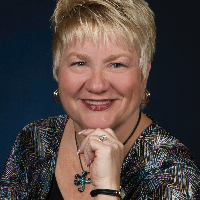
About Deborah
Deborah has worked across community mental health, independent practice, and residential substance use settings. That varied background informs how she meets different needs. She uses a collaborative stance and treats counseling as a partnership rather than a one-size-fits-all script.
Her approach blends Client-Centered Therapy, cognitive techniques, mindfulness, and solution-focused work. In practice that means listening first, then helping people test out small changes. Sessions can include noticing unhelpful thinking patterns, practicing grounding or breathing, and developing short-term goals to reduce overwhelm.
Deborah frames difficult experiences as problems to be worked on, not proof that someone is broken. She aims to help people strengthen the parts of themselves that still work and find ways to manage guilt and shame without being defined by them.
She describes treatment planning as flexible and practical. Goals are set together and adjusted as progress is made. The emphasis is on concrete steps people can try between sessions to see what helps.
Sessions are conducted in English and are based in Florida. For people considering this work, she asks them to complete a short matching questionnaire and schedule an initial session to begin the process.
Areas of expertise
Primary focus
Also works with
Additional focus areas
Therapeutic approaches
Experience
20+ years
Credentials
Florida
Languages
English
How Deborah uses CBT and mindfulness in online work
Deborah commonly draws on Cognitive Behavioral Therapy and Mindfulness Therapy in her work. CBT looks at the links between thoughts, feelings, and behavior. It helps people test unhelpful beliefs and try new coping moves for anxiety, panic, or low mood. Mindfulness Therapy teaches attention skills and simple exercises to reduce reactivity and notice bodily states when guilt or shame arise.Finding the right approach is part of the work. Deborah treats the choice of methods as collaborative. She listens to a person’s goals and preferences, then tries approaches that fit those needs and adjusts them based on what helps.
Confirm the currently offered session options before booking, since specific formats are not listed in the biography. Online work can make it easier to fit therapy into a busy life by avoiding travel and allowing sessions during a shorter break. It also lets people use interventions like guided breathing or brief behavioral experiments between meetings to see what changes work day to day.
Frequently asked questions
What kinds of concerns does she help with?
She works with stress, anxiety, depression, addiction, trauma, relationship and intimacy-related concerns, and issues such as guilt and shame.
How would she approach feelings of guilt or shame?
She uses a mix of Client-Centered work, cognitive techniques, and mindfulness to help people notice thinking patterns and try different responses to shame and guilt.
What is her clinical background?
She has 20 years of experience across community mental health, independent practice, and residential substance use treatment settings.
What are her credentials and where is she based?
She is a Florida LMHC and practices in Florida.
Does she offer sessions in other languages or to international clients?
Sessions are offered in English and she is not accepting international clients.
What session formats are offered?
Please confirm current session options before booking, as the biography does not list specific session formats.
How are costs handled?
Cost varies with location; sessions use a subscription that can be canceled at any time.
How do I begin working with her?
Select the See online therapy options button, complete a short matching questionnaire, and schedule a first session.
Before you get in touch
The therapists listed here offer talking therapy online. A profile shows how someone describes their work; it cannot tell you how therapy will go, and nobody can promise that guilt or shame will ease by a certain time.
If you are thinking about harming yourself, or you feel unsafe, please contact a crisis line now. The numbers are at the foot of this page.