- CBT methods
- Rational emotive work
- Grief and loss
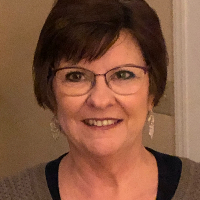
About Debbie
She emphasizes building a clear, working relationship first. That begins with listening to what the client needs and wants. From there she uses Cognitive Behavioral Therapy (CBT) alongside rational emotive and integrative ideas to help people change unhelpful thoughts and patterns.
Her manner is described as kind and sensitive while also direct when needed. Sessions include careful listening and practical feedback aimed at specific goals. The focus is on identifying thought patterns, testing assumptions, and trying different behaviors to see what works in daily life.
Debbie draws on two decades of training and practice to inform her work. She has experience with adoption and foster care concerns, autism and Asperger Syndrome, blended family issues, and parenting stress. She also supports people dealing with anger, self-esteem, career questions, and feelings of isolation or loneliness.
People may come to her for help with obsessions, compulsions, paranoia, coping after disaster, hospice and end-of-life matters, or forgiveness and grief. Debbie aims to combine practical tools with straightforward feedback so clients can try new ways of responding to old problems.
Areas of expertise
Primary focus
Also works with
Additional focus areas
Therapeutic approaches
Experience
20+ years
Credentials
North Carolina, New Jersey, New Hampshire
Languages
English
Working with CBT and practical online sessions
Debbie uses Cognitive Behavioral Therapy as a core approach. CBT focuses on spotting unhelpful thoughts and testing them against real-life evidence. It is often used for anxiety, depression, and problems related to guilt and shame by helping people change thinking patterns and try new behaviors.She also draws on rational emotive ideas, which look at the beliefs that fuel intense emotions. This approach helps identify rigid rules or demands a person places on themselves and then works to develop more flexible, realistic ways of thinking.
Finding the right approach is part of the work together. Debbie will discuss goals, preferences, and what has or hasn't helped before. She partners with clients to decide whether CBT or other strategies should be the primary focus and adjusts the plan as needed.
Confirm current session options before booking since formats are not specified in the biography. Online sessions can make it easier to fit therapy into a busy life, allow shorter check-ins when needed, and reduce travel time. Many people find that remote sessions help them keep consistency while they try practical tools between meetings.
Frequently asked questions
What kinds of issues does she address related to guilt or shame?
She works with guilt and shame alongside grief, trauma, relationship problems, and mood disorders such as depression and bipolar.
How does she approach feelings of guilt?
She uses Cognitive Behavioral Therapy and rational emotive ideas to identify thought patterns, challenge unhelpful beliefs, and try different behaviors to reduce distress.
How long has she been practicing?
Debbie has 20 years of experience as a clinician working with a wide range of concerns.
What are her credentials and where does she practice?
She is an LCMHC and holds licensure in North Carolina.
Can sessions be conducted in languages other than English?
Sessions are offered in English.
Does she work with clients outside the United States?
International clients are not currently accepted.
How are sessions scheduled and paid for?
Cost varies with location and sessions use a subscription that can be canceled at any time.
What do I need to do to begin?
Select the See online therapy options button, complete a short matching questionnaire, and schedule a first session.
Before you get in touch
The therapists listed here offer talking therapy online. A profile shows how someone describes their work; it cannot tell you how therapy will go, and nobody can promise that guilt or shame will ease by a certain time.
If you are thinking about harming yourself, or you feel unsafe, please contact a crisis line now. The numbers are at the foot of this page.