- Guilt and shame issues
- CBT and mindfulness
- Person-centered care
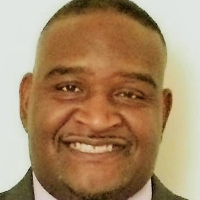
About David
David uses straightforward, person-centered work to help people sort through painful feelings. He listens for what matters most and helps the person organize next steps. Sessions are practical and paced to the client's needs rather than a rigid timeline.
His approach draws on client-centered therapy, cognitive behavioral techniques, mindfulness, and motivational interviewing. That means conversations can include careful listening, spotting unhelpful thinking patterns, practicing brief attention exercises, and building motivation for change. Each tool is presented plainly and used when it fits the issue at hand.
He has experience with caregiving stress, hospice and end-of-life concerns, veteran issues, blended family questions, and the strains that come with medical problems such as cancer. He has also worked with people facing control issues, financial stress, and major life transitions.
People who contact him can expect a practical focus on what to try next rather than long theoretical discussions. The therapist helps break larger problems into small, manageable steps. To begin, the site process asks for a short questionnaire and then scheduling a first session.
Areas of expertise
Primary focus
Also works with
Additional focus areas
Therapeutic approaches
Experience
10+ years
Credentials
Georgia
Languages
English
How his approaches translate to online sessions
Client-centered therapy focuses on listening and understanding the person's perspective. Online sessions using this approach prioritize the client's concerns and move at a comfortable pace to address what feels most important. Cognitive Behavioral Therapy (CBT) looks at the links between thoughts, feelings, and actions. In an online setting CBT often uses brief exercises to identify unhelpful thoughts and small behavioral experiments to test alternatives.David views choosing an approach as a collaborative process. He works with the client to decide which combination of listening, thought work, mindfulness, or motivational techniques fits best. Adjustments are made as goals and needs become clearer rather than fixed at the start.
The original biography does not list specific session formats, so confirm the available options before booking. In general, online sessions can make it easier to fit therapy into everyday life by removing travel time and allowing meetings during work breaks or between appointments. They can also make some practices easier to try at home, such as short mindfulness exercises or homework tasks, and allow a quicker check-in when plans change.
Frequently asked questions
What kinds of concerns does he help with?
He lists stress, anxiety, grief, anger, self-esteem, depression, addictions, intimacy issues, relationship and family concerns, trauma and abuse, ADHD, and guilt and shame among his areas of focus.
How does he approach feelings of guilt or shame?
He uses a person-centered approach combined with cognitive behavioral ideas and mindfulness. That means listening closely, noticing thought patterns, and trying small practices to change how someone responds to those feelings.
What is his background and experience?
He holds a Master of Social Work from Stony Brook University and has about ten years of experience working in varied settings including work with veterans and older adults.
What credentials and location does he hold?
He is a Licensed Clinical Social Worker (LCSW) in Georgia and also lists CSW. Sessions are provided from Georgia.
Does he work in other languages or internationally?
Sessions are offered in English. He is not currently accepting international clients.
What session formats are offered?
The original biography does not specify session formats. Confirm the current session options before booking.
How does payment work and what does it cost?
Cost varies with location and sessions use a subscription model that can be canceled at any time.
What are the first steps to start working together?
Use the See online therapy options button, complete a short matching questionnaire, and schedule a first session.
Before you get in touch
The therapists listed here offer talking therapy online. A profile shows how someone describes their work; it cannot tell you how therapy will go, and nobody can promise that guilt or shame will ease by a certain time.
If you are thinking about harming yourself, or you feel unsafe, please contact a crisis line now. The numbers are at the foot of this page.