- Client-centered work
- Cognitive behavioral techniques
- Mindfulness practices
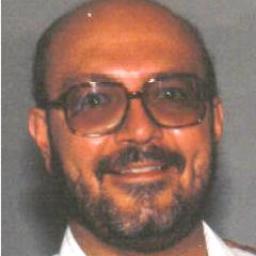
About David
He uses plain conversation and steady listening to help people talk through what feels stuck. Sessions are meant to be a place to name difficult feelings and look at small, workable steps. He favors approaches that encourage clear thinking and self-reflection rather than quick fixes.
In practice he draws on client-centered methods that emphasize the person's goals and perspective. He also uses cognitive behavioral techniques to identify unhelpful thinking patterns and try different responses. Mindfulness and existential ideas are part of his work when people want to focus on meaning, values, and living with uncertainty.
People bring a wide range of concerns, from substance use and impulsivity to fatherhood issues and first responder stress. He helps people untangle patterns such as codependency, abandonment worries, and dependent personality traits. He also addresses practical problems like coping with chronic pain or the fallout from separation and divorce.
Sessions aim to balance honest reflection with practical steps. He encourages clients to consider both feelings and actions so they can make concrete changes. Prospective clients should confirm session options before booking.
Areas of expertise
Primary focus
Additional focus areas
Therapeutic approaches
Experience
30+ years
Credentials
Pennsylvania
Languages
English
How his approaches translate to online work
Dr. Posipanka uses client-centered methods that focus on the person's goals and perspective, inviting honest description of what matters most. This approach helps people steer sessions toward practical concerns like parenting, addiction, or guilt without imposing an agenda.He also uses cognitive behavioral therapy to identify unhelpful thoughts and test new behaviors. CBT is useful for anxiety, depression, and patterns that keep shame or impulsivity active. Mindfulness techniques are offered to practice noticing feelings without immediately reacting and to build simple attention skills that can reduce reactivity.
Choosing which approach to use is a collaborative process. He will talk with the client about goals, try methods that fit those goals, and adjust as needed. That means sessions can mix conversational, skills-based, and reflective work depending on what helps at the time.
The therapist's session formats are not specified here, so confirm current options before booking. Online work can make it easier to fit sessions into a busy life - for example, a shorter check-in during a lunch break, a phone session when bandwidth is low, or a video session when face-to-face interaction is preferred. Licensed professionals often find that these practical choices help people keep therapy consistent while balancing everyday demands.
Frequently asked questions
What kinds of concerns does he address?
He works with stress, anxiety, addictions, parenting matters, depression, and coping with life changes. Additional focuses include guilt and shame, forgiveness, attachment issues, and chronic illness concerns.
How does he approach guilt and shame?
He uses straightforward conversation to help name and examine those feelings. Cognitive behavioral ideas and mindfulness are used to shift harsh self-judgment and try new ways of responding.
What is his professional background and experience?
He holds an LPC credential and has worked for 30 years in clinical settings helping adults with mood, addiction, and life stress.
Where is he licensed and practicing?
He is licensed as an LPC in Pennsylvania and lists that state as his location.
What languages are supported for sessions?
Sessions are offered in English.
Can people from other countries work with him?
He accepts international clients; confirm any cross-border details before scheduling.
How are session costs handled?
Cost varies with location and sessions use a subscription that can be canceled at any time.
How do I begin working with him?
Select the See online therapy options button, complete a short matching questionnaire, and schedule your first session.
Before you get in touch
The therapists listed here offer talking therapy online. A profile shows how someone describes their work; it cannot tell you how therapy will go, and nobody can promise that guilt or shame will ease by a certain time.
If you are thinking about harming yourself, or you feel unsafe, please contact a crisis line now. The numbers are at the foot of this page.