- Guilt and shame
- Caregiver stress
- Self-esteem work
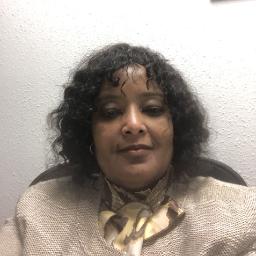
About Darlene
She keeps sessions straightforward and practical. Conversations focus on what feels most pressing and what the client wants to change. She adapts the pace and topics so people can bring real concerns from home, work, or caregiving roles. The aim is to make progress in clear, manageable steps rather than broad promises.
In therapy she listens for the patterns that keep someone stuck, such as persistent self-blame or avoidance. She offers ways to name and work through guilt and shame so those feelings take up less mental space. She also helps people develop skills for managing anxiety and making choices during life transitions.
Her approach balances emotional work with practical strategies. That might include practicing different responses, testing new behaviors, and reflecting on what matters most. Sessions also look at how beliefs about oneself affect mood and motivation.
People who come to her often want both relief from distress and clearer direction. She uses plain language and keeps next steps concrete. To begin, she invites people to identify a small first goal and then builds from there.
Areas of expertise
Additional focus areas
Experience
29+ years
Credentials
Georgia
Languages
English
Approaches used online and how they help
Evidence-based therapeutic techniques can include focused work on thoughts and behaviors, and practical skill-building. Thought-focused work examines unhelpful thinking patterns and teaches ways to test and change those thoughts, which often helps with anxiety and persistent self-blame.Behavioral and skills-based techniques encourage trying new actions in small steps. That can mean practicing different responses to stress, building short routines to support mood, or rehearsing conversations to reduce avoidance during life changes.
Finding the right approach is part of the process. The therapist will collaborate with each person to clarify goals and preferences, then adjust methods as needed. Clients and the therapist decide together which techniques to try and how quickly to move forward.
If you want online sessions, confirm current session options before booking since formats are not specified here. Online work can make it easier to fit sessions into busy weeks, allow shorter check-ins when needed, and reduce travel time. It also allows continuity of care when schedules or locations change, while keeping the focus on practical steps and emotional processing rather than on logistics.
Frequently asked questions
What kinds of concerns does she help with?
She helps people with stress, anxiety, low self-esteem, depression, and coping with life changes. Additional focuses include caregiver stress, forgiveness, guilt and shame, life purpose, and self-love.
How would she approach guilt and shame?
She listens for the specific thoughts or events that fuel guilt and shame and offers ways to name those feelings. Work can include trying different responses and practicing self-directed steps to reduce their hold.
What is her professional background?
She has 29 years of professional experience as a counselor. That long experience informs how she balances emotional exploration with practical steps.
What credential and location does she hold?
She is an LPC, and her practice is based in Georgia.
Are sessions available in other languages?
Sessions are offered in English.
Can people outside the United States work with her?
International clients are not currently accepted.
How are sessions paid for?
Cost varies by location and sessions use a subscription that can be canceled at any time.
How do I begin sessions?
Choose the See online therapy options button, complete a short matching questionnaire, and schedule a first session.
Before you get in touch
The therapists listed here offer talking therapy online. A profile shows how someone describes their work; it cannot tell you how therapy will go, and nobody can promise that guilt or shame will ease by a certain time.
If you are thinking about harming yourself, or you feel unsafe, please contact a crisis line now. The numbers are at the foot of this page.