- Guilt and shame
- Addiction recovery
- Communication skills
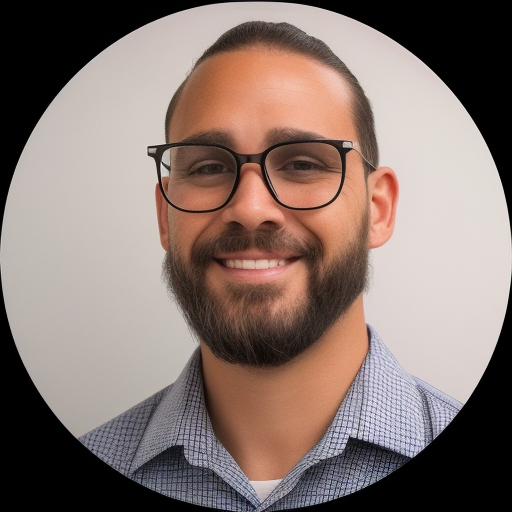
About Daniel
He uses clear, practical work in sessions. That includes practicing communication skills, naming emotions, and building more helpful habits. He talks through patterns that keep people stuck and looks for small, concrete steps to change them.
Daniel often helps people repair trust, manage impulsive decisions, and handle feelings that come from abandonment, infidelity, or family conflict. He also supports men facing role and fatherhood pressures and people coping with isolation or first responder strain.
Sessions address substance use and recovery-related topics, including drug and alcohol addiction. He also helps with jealousy, commitment concerns, and forgiveness questions. Hearing-impaired clients are noted as a focus area in his practice.
His style is collaborative and straightforward. He works with each person to identify strengths and test new ways of relating. The practical aim is clearer choices and steadier day-to-day coping, not quick fixes.
Areas of expertise
Primary focus
Additional focus areas
Experience
3+ years
Credentials
Florida
Languages
English
Evidence-based approaches and online sessions
Daniel describes his work as grounded in evidence-based therapeutic techniques that focus on practical skill building. One approach emphasizes communication skill training to help people express needs, reduce conflict, and repair relationship strain. This method is helpful for issues like infidelity, commitment concerns, and difficult conversations.Another common approach involves behavioral experiments and small habit changes. That includes setting manageable tasks, tracking responses, and adjusting strategies to lower anxiety, curb impulsivity, or support recovery from drug and alcohol use. These steps aim to make daily life feel more manageable rather than relying only on talking.
Finding the right mix of approaches is part of the process. The therapist works collaboratively with each person to choose techniques that fit their goals and preferences. That means trying things, reviewing what works, and adapting the plan over time.
The original biography does not specify session formats; please confirm available options before booking. Online work can make it easier to fit sessions into a busy schedule, shorten time spent traveling, or allow a quieter check-in when concentration is limited. Licensed professionals often use online sessions to keep care consistent with everyday responsibilities, and this therapist will discuss practical arrangements when you start.
Frequently asked questions
What kinds of concerns does he address?
He works with stress, anxiety, depression, relationship issues, and addictions. The profile also lists related topics such as guilt and shame, abandonment, and fatherhood issues.
How does he approach feelings of guilt or shame?
His approach focuses on building self-compassion, improving communication, and testing small behavioral changes. He helps people name the feelings and find practical steps to respond differently.
What is his background and experience?
He is a Florida Licensed Clinical Social Worker with three years of clinical experience working with adults on emotional and relationship concerns.
What credentials and location are listed?
He holds an LCSW license in Florida and practices in that state.
Does he offer sessions in other languages or to international clients?
Sessions are offered in English. He does not accept international clients.
What session formats are available?
The original biography does not list specific session formats. Confirm current session options before booking.
How does pricing work for sessions?
Cost varies with location and sessions use a subscription that can be canceled at any time.
How do I begin working with him?
Select the See online therapy options button, complete a short matching questionnaire, and schedule a first session.
Before you get in touch
The therapists listed here offer talking therapy online. A profile shows how someone describes their work; it cannot tell you how therapy will go, and nobody can promise that guilt or shame will ease by a certain time.
If you are thinking about harming yourself, or you feel unsafe, please contact a crisis line now. The numbers are at the foot of this page.