- Stress and anxiety
- Guilt and shame
- Trauma and PTSD
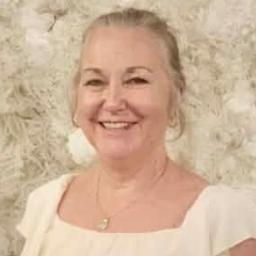
About Cynthia
Cynthia focuses on helping individuals name and make sense of painful feelings. Sessions are practical and straightforward. People can expect conversations that look at what happened, how it affects daily life, and small steps to change patterns that keep distress repeating.
Her work pays particular attention to guilt, shame, and post-traumatic stress. She helps people notice how these feelings show up in thoughts, behaviors, and relationships. That often includes learning ways to manage strong reactions and rebuild trust in oneself.
With over a decade of experience, Cynthia draws on evidence-based therapeutic techniques to guide sessions. The aim is to build useful skills for emotion regulation, clearer communication, and better problem solving. She frames therapy as collaborative and practical rather than abstract.
Cynthia also supports people working through anger and relationship issues, helping them identify triggers and try different responses. If you want to start, confirm the current session options before booking so you know which formats are available.
Areas of expertise
Primary focus
Additional focus areas
Experience
11+ years
Credentials
Texas
Languages
English
How evidence-based approaches fit into online work
Many evidence-based therapeutic techniques focus on changing what people do and think in daily life. Cognitive approaches look at patterns of thinking and teach clearer ways to test and change unhelpful thoughts. These methods can help with anxiety, guilt, and depressive thinking.Exposure and trauma-informed strategies help people gradually face reminders of painful events and reduce the strong reactions tied to them. These approaches are often used for post-traumatic stress and related symptoms by breaking problems into smaller, manageable steps.
Finding the right approach is part of the work. Cynthia will collaborate with each person to choose methods that match their goals, needs, and preferences rather than assuming one way is best. That choice can change over time as progress and challenges become clearer.
Session formats are not detailed in the biography, so confirm which options are offered before booking. Online sessions can make it easier to fit therapy into busy schedules, reduce travel time, and allow shorter check-ins when needed. Different formats can also suit lower bandwidth or not being on camera, depending on what a person prefers.
Frequently asked questions
What kinds of concerns does she address?
Cynthia works with stress, anxiety, depression, relationship difficulties, trauma and abuse, anger, and related issues such as control, forgiveness, guilt and shame.
How would she approach feelings of shame or guilt?
She uses practical, evidence-based techniques to help people notice how shame and guilt affect thoughts and behavior and to develop ways to respond differently.
How long has she practiced clinically?
She has 11 years of clinical experience working with adults across mood, trauma, and relationship concerns.
What credentials and location are listed for this therapist?
She is a Licensed Professional Counselor (LPC) licensed in Texas and practices in that state.
Does she offer sessions in other languages or to international clients?
Sessions are offered in English. She is not currently accepting international clients.
What session formats are available?
The original biography does not list specific session formats. Please confirm the current session options before booking.
How does payment and cost work?
Cost varies with location. Sessions use a subscription that can be canceled at any time.
What are the first steps to begin working with her?
Select the See online therapy options button, complete a short matching questionnaire, and schedule a first session.
Before you get in touch
The therapists listed here offer talking therapy online. A profile shows how someone describes their work; it cannot tell you how therapy will go, and nobody can promise that guilt or shame will ease by a certain time.
If you are thinking about harming yourself, or you feel unsafe, please contact a crisis line now. The numbers are at the foot of this page.