- Guilt and shame
- CBT methods
- Trauma-focused care
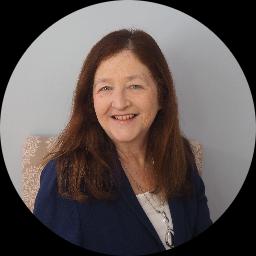
About Chrystine
She focuses on straightforward, practical conversations. Sessions are a place to talk through what happened, what still hurts, and what feels stuck. Chrystine listens for the patterns that keep someone replaying a mistake or holding on to blame, and she helps people test different ways of responding to those patterns.
Her work draws on client-centered methods and cognitive behavioral techniques to map thoughts, feelings, and behaviors. She also uses trauma-focused methods and emotionally-focused ideas to help when past events keep shaping current reactions. Solution-focused tools are brought in to set small, doable goals and track progress.
Chrystine has experience supporting veterans, first responders, and people managing chronic illness and end-of-life issues. She aims to be practical in sessions, breaking problems into clear steps and checking in about what works for each person.
If someone wants to begin, they follow the site's matching process and schedule a first session. Sessions are conducted in English and reflect her licenses in Massachusetts and Connecticut.
Areas of expertise
Primary focus
Additional focus areas
Therapeutic approaches
Experience
6+ years
Credentials
Connecticut, Massachusetts
Languages
English
How therapeutic approaches shape online sessions
Client-centered therapy centers the person's experience. The therapist listens without leading and helps clarify what matters most in daily life. This approach is useful when someone feels overwhelmed by strong feelings like guilt or shame and needs space to name them.Cognitive Behavioral Therapy, or CBT, looks at the links between thoughts, feelings, and actions. It helps people spot unhelpful thought patterns and try different responses. CBT is often used for anxiety, panic, and low mood where concrete steps can reduce distress.
Trauma-focused methods pay attention to how past events affect present responses. These approaches add ways to manage intrusive memories, strong reactions, and avoidance. They are commonly applied when trauma or abuse has shaped current behavior.
Finding the right mix of approaches is part of the work. Chrystine will collaborate with each person to decide which methods to use based on goals, the issues they bring, and what feels manageable. That collaborative choice is checked and adjusted over time.
Session formats are not listed in the profile, so confirm the current online options before booking. Online work can make it easier to fit appointments into a busy week, reduce travel time, or allow a shorter check-in when schedules are tight. Licensed professionals can adapt exercises and goal setting to remote sessions so progress remains practical and focused on daily life.
Frequently asked questions
What concerns does she address?
She works with stress, anxiety, trauma and abuse, grief, anger, and depression, with additional focus areas like caregiver stress, chronic illness, and guilt and shame.
How does she approach guilt and shame?
She uses client-centered listening alongside cognitive behavioral and trauma-focused methods to name the thoughts and behaviors that keep guilt or shame active.
How much clinical experience does she have?
She has six years of professional therapeutic intervention experience in clinical settings.
What are her credentials and where is she based?
She holds MA LICSW and CT LCSW credentials and is licensed in Connecticut and Massachusetts.
Does she offer sessions in other languages?
Sessions are offered in English.
Can people outside the U.S. work with her?
She is not accepting international clients at this time.
What formats are used for sessions?
Confirm current session options before booking by reviewing the online therapy options on the site, as formats are not specified in the profile.
How are fees handled and how do I begin?
Cost varies with location and sessions use a subscription that can be canceled at any time. To get started, select the See online therapy options button, complete the short matching questionnaire, and schedule a first session.
Before you get in touch
The therapists listed here offer talking therapy online. A profile shows how someone describes their work; it cannot tell you how therapy will go, and nobody can promise that guilt or shame will ease by a certain time.
If you are thinking about harming yourself, or you feel unsafe, please contact a crisis line now. The numbers are at the foot of this page.