- Client-Centred methods
- Cognitive Behavioural tools
- Mindfulness practices
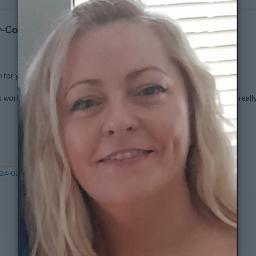
About Christine
Christine trained in psychology and criminology and has worked in the charity sector before running her own counselling and holistic therapies business. She commonly supports people coping with low self-worth, self-harm thoughts, and complex life changes. Her work often connects emotional difficulties with everyday pressures and past experiences.
Her sessions use practical techniques you can try between meetings. She draws on client-centred methods to listen and clarify what matters to each person. Cognitive behavioural tools help spot and change unhelpful thinking and behaviour patterns.
Christine also uses psychodynamic ideas to look at how past relationships and attachment can shape current feelings, and mindfulness practices to steady attention and reduce overwhelm. She aims to build straightforward problem-solving skills alongside reflective work on patterns that repeat.
People seeking help are invited to discuss what they want to change and set manageable steps toward those goals. Her approach mixes short-term coping strategies with deeper reflection, depending on what the person prefers and needs.
Areas of expertise
Also works with
Additional focus areas
Therapeutic approaches
Experience
7+ years
Credentials
United Kingdom
Languages
English
How her approaches translate to online work
Christine uses client-centred therapy to prioritise the person's experience and goals; this means sessions focus on listening, clarifying what matters most, and shaping the work around those priorities. Cognitive behavioural therapy (CBT) introduces practical exercises to spot unhelpful thoughts and try small behaviour changes that can reduce distress and build confidence. Mindfulness therapy offers simple attention and breathing practices to manage overwhelming feelings and improve day-to-day coping.Choosing the right approach is part of the work. Christine discusses options with each person and helps decide whether to focus on short-term coping tools, deeper reflective work about past relationships, or a mix of both. That decision is made collaboratively and can change as therapy continues.
Session formats are not specified in the biography, so please confirm available options when booking. Online sessions can make it easier to fit counselling around work, family or other commitments. They also allow for shorter check-ins when people need them, and can reduce travel time. Registered or accredited professionals can adapt exercises, breathing practices and CBT homework for remote sessions so the work continues between meetings.
Frequently asked questions
What concerns does she commonly work with?
She works with stress, anxiety, addictions, trauma, grief, depression, self-esteem and relationship and intimacy problems, among other issues.
How does she approach feelings of guilt or shame?
She uses client-centred listening alongside cognitive behavioural and psychodynamic ideas to understand guilt or shame and develop practical steps to manage these feelings.
How much experience does she have?
She has seven years' experience working in counselling and therapeutic roles, including time in the charity sector and running her own practice.
What credential does she hold and where is she based?
She is registered with the BACP and works in the United Kingdom.
Are sessions available in other languages?
Sessions are offered in English.
Can people outside the UK work with her?
She accepts international clients; confirm practical arrangements when you book.
How are sessions paid for and what do costs look like?
Cost varies with location and sessions use a subscription that can be cancelled at any time.
What should I do to begin working with her?
Select the See online therapy options button, complete a short matching questionnaire, and schedule a first session.
Before you get in touch
The therapists listed here offer talking therapy online. A profile shows how someone describes their work; it cannot tell you how therapy will go, and nobody can promise that guilt or shame will ease by a certain time.
If you are thinking about harming yourself, or you feel unsafe, please contact a crisis line now. The numbers are at the foot of this page.