- Client-centered methods
- Cognitive behavioral tools
- Mindfulness techniques
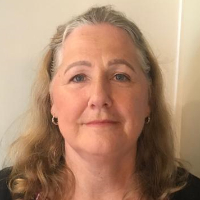
About Cheryl
She draws on practical techniques to reduce the intensity of upsetting thoughts and feelings. Sessions focus on noticing how stressors affect day-to-day life and on trying out coping skills. She describes her approach as strength-focused and uses methods that match the client’s needs rather than a single fixed method.
Her practice combines elements from client-centered therapy, cognitive behavioral therapy (CBT), mindfulness, motivational interviewing, and solution-focused work. That mix allows her to address patterns of thinking, build small behavioral changes, and increase present-moment awareness.
Dr. Mansfield has worked in outpatient clinics, hospitals, and military settings. That background informs a practical style that leans toward problem solving and skills practice, while also making space for understanding painful emotions like shame or remorse.
People who come for help can expect a clear review of goals and hands-on strategies to try between sessions. She asks questions, offers feedback, and adjusts methods over time based on what helps most.
If someone wants to start, the first step is a short intake and scheduling a session so goals and practical next steps can be set together.
Areas of expertise
Primary focus
Also works with
Additional focus areas
Therapeutic approaches
Experience
20+ years
Credentials
Virginia, District of Columbia
Languages
English
How her clinical approaches translate to online work
Dr. Mansfield frequently uses client-centered therapy and cognitive behavioral therapy in her work. Client-centered therapy focuses on active listening and clarifying what matters to the client, which helps when sorting through feelings like guilt and shame. Cognitive behavioral therapy (CBT) looks at the links between thoughts, feelings, and actions and introduces practical exercises to shift unhelpful patterns.She also draws on mindfulness techniques to help people notice distressing thoughts without getting pulled into them. Mindfulness practice can make it easier to respond rather than react when difficult memories or regret appear.
Finding the right approach is part of the process. She collaborates with each person to pick methods that fit their goals and preferences, trying different tools and adjusting them over time based on what feels most useful.
The original biography does not specify session formats, so confirm the available online options before booking. Online work can make it simpler to fit sessions into a busy life, allow shorter check-ins when days are tight, and reduce travel time. Therapists can use a mix of talking, behavioral assignments, and mindfulness exercises that transfer well to remote sessions.
Frequently asked questions
What kinds of issues does she address?
She supports adults with stress, anxiety, depression, trauma, grief, addictions, relationship and intimacy concerns, parenting strain, anger, self-esteem, compassion fatigue, and guilt and shame.
How would she describe her therapeutic style?
Her style is practical and strength-focused, combining skills practice with reflective conversation tailored to each person's situation.
How much clinical experience does she have?
She has 20 years of experience working in outpatient, hospital, and military settings.
What credentials and location apply?
She holds the credentials DC LICSW and VA LCSW and practices from Virginia.
In what language are sessions offered and can international clients join?
Sessions are offered in English and international clients are accepted.
What session formats are offered?
The original biography does not list specific session formats, so confirm current online and in-person options before booking.
How are fees handled?
Cost varies with location; sessions use a subscription that can be canceled at any time.
What is the first step to begin?
Select the See online therapy options button, complete a short matching questionnaire, and schedule a first session.
Before you get in touch
The therapists listed here offer talking therapy online. A profile shows how someone describes their work; it cannot tell you how therapy will go, and nobody can promise that guilt or shame will ease by a certain time.
If you are thinking about harming yourself, or you feel unsafe, please contact a crisis line now. The numbers are at the foot of this page.