- Client-centered care
- Cognitive behavioral work
- Mindfulness tools
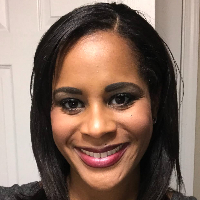
About Challis
Challis uses straightforward talk and practical tools in sessions. She listens first, then helps people notice patterns that keep them stuck. She draws on client-centered methods to follow the person's priorities and on cognitive behavioral techniques to challenge unhelpful thoughts and behaviors. Mindfulness practices are offered to help with intense emotions and grounding.
Her training includes a master’s degree in clinical counseling from Johns Hopkins University. Early in her career she worked with a diverse group of adults, couples, families, and adolescents, which informed how she approaches relationship and attachment questions. That experience also included supporting people affected by domestic violence and immigration concerns.
In sessions Challis focuses on clear steps and small experiments you can try between meetings. She uses solution-focused strategies to set concrete goals and measure progress. Conversations often include skill-building for communication, impulse control, and coping with life changes.
People bring many kinds of shame and guilt to therapy - about things done, things left undone, or identity and role conflicts. Challis helps people name those feelings, examine where they come from, and decide what practical next steps look like in day-to-day life.
Areas of expertise
Primary focus
Also works with
Additional focus areas
Therapeutic approaches
Experience
5+ years
Credentials
South Carolina, North Carolina
Languages
English
How therapeutic methods translate to online work
Client-Centered Therapy focuses on listening and following the person's concerns. Online sessions using this approach prioritize what the client wants to address and adapt the pace to their needs. Cognitive Behavioral Therapy (CBT) breaks problems into thoughts, feelings, and actions and uses simple exercises to test new ways of thinking. In an online setting CBT often includes homework and short practices you can try between meetings.Finding the right approach is part of the work. The therapist will talk with the client about goals, preferences, and what feels doable, and then suggest which methods to try. That decision is collaborative and can change as progress is assessed.
Practical benefits of remote sessions can include fitting appointments into work or family schedules and avoiding travel time. Because the exact session formats are not listed in the biography, confirm the current online options before booking. Online sessions can make it easier to check in more regularly, try brief skill reviews, and use written exercises between meetings to reinforce what was discussed.
Frequently asked questions
What kinds of concerns does she address?
She works with stress, anxiety, relationship and family concerns, trauma and abuse, depression, addictions, ADHD, and related issues including guilt and shame.
How does she approach feelings of guilt and shame?
She helps people name those feelings, look at where they come from, and try practical steps to change harmful patterns of thinking and behavior.
What is her clinical background?
She has a master’s degree in clinical counseling from Johns Hopkins University and five years of experience working with diverse clients.
What credentials and location are listed?
She is listed as LPC and LCMHC with practice based in South Carolina.
Does she work in other languages or with international clients?
Sessions are offered in English and she accepts international clients.
What session formats are offered?
Please confirm current session options before booking as formats are not specified in the biography.
How are sessions billed or paid for?
Cost varies by location and sessions use a subscription that can be canceled at any time.
How do I begin working with her?
Use the See online therapy options button, complete a short matching questionnaire, and schedule a first session.
Before you get in touch
The therapists listed here offer talking therapy online. A profile shows how someone describes their work; it cannot tell you how therapy will go, and nobody can promise that guilt or shame will ease by a certain time.
If you are thinking about harming yourself, or you feel unsafe, please contact a crisis line now. The numbers are at the foot of this page.