- Cognitive Behavioral Therapy
- Solution-Focused methods
- Motivational Interviewing
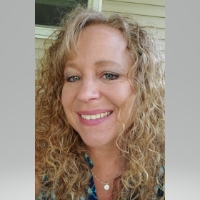
About Catherine
Catherine uses straightforward, goal-oriented methods in sessions. She draws on Cognitive Behavioral Therapy (CBT) to identify thinking patterns that feed unwanted feelings and behaviors. She also uses Solution-Focused work and Motivational Interviewing to help people set practical steps and move toward clearer choices.
Her background includes inpatient and outpatient mental health settings and work in correctional institutions. That variety informs a practical approach that emphasizes skill building and concrete steps rather than only talk. Sessions often include learning coping strategies and testing small changes between meetings.
Catherine describes her style as client-centered and focused on measurable progress. She aims to help people notice patterns, try alternative responses, and practice different ways of managing distress. That can include addressing grief, addiction concerns, intimacy-related issues, or obsessive patterns.
People who reach out to her typically want clear tools for daily life. She supports work on issues like forgiveness, control struggles, codependency, and post-traumatic stress in addition to mood and anxiety concerns. To begin, she asks clients to identify which problems matter most and what small steps feel doable.
Areas of expertise
Primary focus
Also works with
Additional focus areas
Therapeutic approaches
Experience
12+ years
Credentials
Missouri
Languages
English
How her approaches translate to online work
Acceptance and Commitment Therapy (ACT) helps people notice painful thoughts without getting ruled by them and choose actions that match their values. It can be useful when guilt or shame make people avoid meaningful activities. Cognitive Behavioral Therapy (CBT) looks at how thoughts affect feelings and behavior and adds practical exercises to change unhelpful patterns. It is commonly used for anxiety, depression, obsessive thoughts, and shame-driven rumination.Finding the right approach is part of the work together. Catherine will discuss methods with each person and collaborate on which techniques to try based on goals and what feels doable. That conversation guides whether sessions emphasize values-based action, thought restructuring, or solution-focused steps.
Confirm the current session options before booking so you know how meetings are held. Online work can make it easier to fit sessions into a busy week, shorten check-ins when needed, and choose formats that suit quieter surroundings or shorter breaks. Licensed professionals can use these methods effectively in remote sessions while focusing on skills you can practice between appointments.
Frequently asked questions
What concerns does she address most often?
She works with stress, anxiety, depression, trauma and relationship challenges, plus areas like addictions, grief, and guilt and shame.
How would she approach shame or guilt in sessions?
She uses practical methods such as CBT to identify unhelpful thinking and solution-focused steps to try small changes between sessions.
What kind of clinical background does she bring?
She has 12 years of clinical experience and has worked in inpatient and outpatient mental health settings and correctional institutions.
What are her credentials and where is she located?
She is a Missouri LCSW and practices in Missouri.
Which languages are supported for sessions?
Sessions are offered in English.
Can people outside the United States work with her?
International clients are not currently accepted.
How are costs and billing handled?
Cost varies with location and sessions use a subscription that can be canceled at any time.
How do I begin working with her?
Select the See online therapy options button, complete a short matching questionnaire, and schedule a first session.
Before you get in touch
The therapists listed here offer talking therapy online. A profile shows how someone describes their work; it cannot tell you how therapy will go, and nobody can promise that guilt or shame will ease by a certain time.
If you are thinking about harming yourself, or you feel unsafe, please contact a crisis line now. The numbers are at the foot of this page.