- Client-centered approach
- CBT and DBT skills
- Mindfulness and narrative
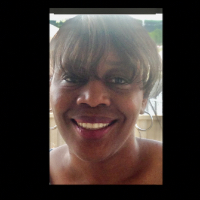
About Cassandra
She trained at the University of Texas at San Antonio and has worked in mental health treatment centers and non-profit settings. Her background includes experience in middle and high school environments and time supporting children and teens in the foster care system.
In sessions she focuses on practical, straightforward conversation. She uses client-centered methods that prioritize the person's perspective and goals. Cognitive behavioral techniques and skills from dialectical behavior therapy are used to address unhelpful thoughts and to build emotional regulation skills.
She also draws on mindfulness and narrative approaches to help people notice patterns and make clearer choices about what matters to them. Sessions tend to be interactive, with time spent on specific tools and on understanding how past experiences influence current feelings.
Cassandra encourages small, manageable changes that fit into everyday life. She asks questions, reflects what she hears, and helps people test new ways of responding when guilt or shame shows up. Those interested in working with her should confirm current session options before booking.
Areas of expertise
Also works with
Additional focus areas
Therapeutic approaches
Experience
17+ years
Credentials
Texas
Languages
English
How Cassandra’s approaches translate to online work
Client-Centered Therapy focuses on listening and reflecting so the person sets goals and direction. Online sessions using this approach emphasize clear checking-in and regular feedback to keep work focused. Cognitive Behavioral Therapy (CBT) targets thoughts and behaviors with practical exercises and homework; it often involves tracking patterns between sessions and testing new responses. Dialectical Behavior Therapy (DBT) brings concrete emotion-regulation and distress-tolerance skills that can be practiced between meetings.Choosing the right approach is collaborative. Cassandra will discuss what the person wants to change and which methods fit their goals and preferences. She adjusts the mix of conversation, skills practice, and short exercises based on what helps most in day-to-day life.
The practical benefits of online work are about making sessions fit routine demands. People can schedule appointments that align with work, school, or family time and avoid travel. Different session arrangements can allow for shorter check-ins or longer skill-practice meetings as needed. Confirm the current session options before booking so the chosen format suits timing, attention, and any need for shorter or longer visits.
Frequently asked questions
What concerns does she address?
She works with stress, anxiety, trauma and abuse, grief, self-esteem, depression, family conflict, and anger, plus related issues like abandonment, attachment challenges, and guilt and shame.
How would she approach feelings of guilt or shame?
She uses client-centered conversation alongside cognitive behavioral and mindfulness techniques to help name feelings, test unhelpful thoughts, and develop coping skills.
How much clinical experience does she have?
She has 17 years of experience working in treatment centers, non-profits, and school settings, including work with youth in foster care.
What credential and location information is provided?
She is an LPC in Texas. Her practice and professional background are based in Texas.
Which languages are sessions offered in?
Sessions are offered in English.
Does she work with international clients?
International clients are not accepted at this time.
How do sessions and cost work?
Cost varies with location and sessions use a subscription that can be canceled at any time.
What is the first step to begin?
Select the See online therapy options button, complete a short matching questionnaire, and schedule a first session.
Before you get in touch
The therapists listed here offer talking therapy online. A profile shows how someone describes their work; it cannot tell you how therapy will go, and nobody can promise that guilt or shame will ease by a certain time.
If you are thinking about harming yourself, or you feel unsafe, please contact a crisis line now. The numbers are at the foot of this page.