- Client-centered therapy
- Guilt and shame work
- Life-change coping
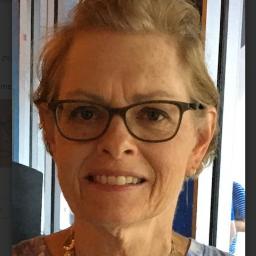
About Caryl
She frames clients as the experts on their own lives and looks for strengths to build on. Sessions focus on clear conversation about what matters and what gets in the way. Caryl avoids long jargon and keeps things direct so clients can see small shifts over time.
In practice she often starts by listening to the problem as the person sees it. That helps identify patterns around mood, relationships, or decision-making. From there she uses client-centered methods to guide how to respond differently to old reactions and painful self-judgment.
She works with themes tied to life stages, such as midlife questions, pregnancy and childbirth transitions, and reestablishing purpose after loss. Forgiveness and self-love are common topics when people bring guilt or shame into sessions. The focus stays on practical steps someone can try between meetings.
For anyone unsure how to begin, the initial matching process and a first session are used to set goals and expectations. Clients are invited to check how the approach feels and to adjust course if needed.
Areas of expertise
Additional focus areas
Therapeutic approaches
Experience
5+ years
Credentials
Florida
Languages
English
How client-centered work translates to online sessions
Client-centered therapy focuses on the person’s own perspective, goals, and strengths. In practice that means sessions begin with listening closely to what matters most to the individual and shaping the conversation around their priorities. This approach can help with mood concerns, grief, and feelings of guilt or shame by putting the person’s experience at the center.Because the method is collaborative, the therapist and client decide together what techniques to try and how to pace progress. The therapist checks in about what feels useful and adjusts the approach based on needs and preferences rather than following a fixed script.
The original biography does not list specific session formats, so confirm current options before booking. Online work can make it easier to fit sessions into a weekly routine, shorten check-ins when schedules are tight, or avoid travel time. These practical benefits help people keep therapy consistent while they address stress, attachment patterns, or life changes.
Frequently asked questions
What kinds of problems does she help with?
She works with stress, anxiety, grief, low self-esteem, depression, and coping with life changes. Additional focuses include attachment, control issues, forgiveness, and guilt and shame.
How would she describe her approach in sessions?
She uses client-centered therapy, centering the person's own goals and perspective. Conversations are practical and focused on strengths and next steps.
What is her clinical experience?
She has five years of professional work experience supporting people with mood and life-transition concerns. That experience includes work with grief, motivation, and self-confidence.
What are her credentials and where is she based?
She is an LCSW licensed in Florida. Her practice is based in Florida.
Does she work in other languages or with international clients?
Sessions are offered in English. She is not currently accepting international clients.
What session formats are available?
The original biography does not list specific session formats. Please confirm current session options before booking.
How are fees handled?
Cost varies with location and sessions use a subscription that can be canceled at any time. Specific pricing details are provided through the platform during sign-up.
How do I begin working with her?
Select the See online therapy options button, complete a short matching questionnaire, and schedule a first session. The questionnaire and first meeting set initial goals and expectations.
Before you get in touch
The therapists listed here offer talking therapy online. A profile shows how someone describes their work; it cannot tell you how therapy will go, and nobody can promise that guilt or shame will ease by a certain time.
If you are thinking about harming yourself, or you feel unsafe, please contact a crisis line now. The numbers are at the foot of this page.